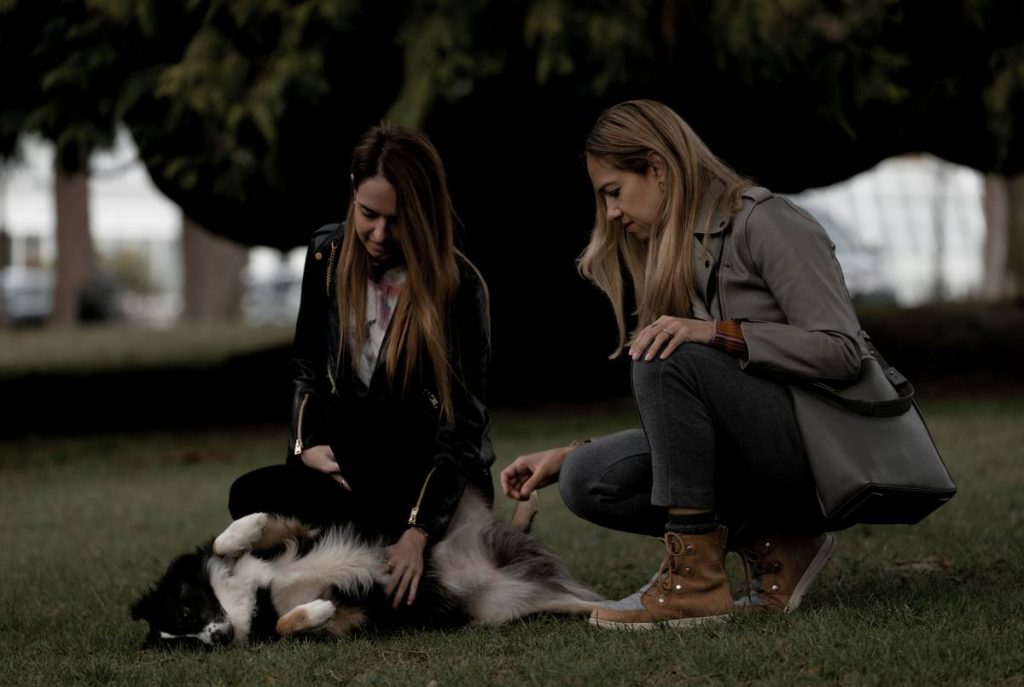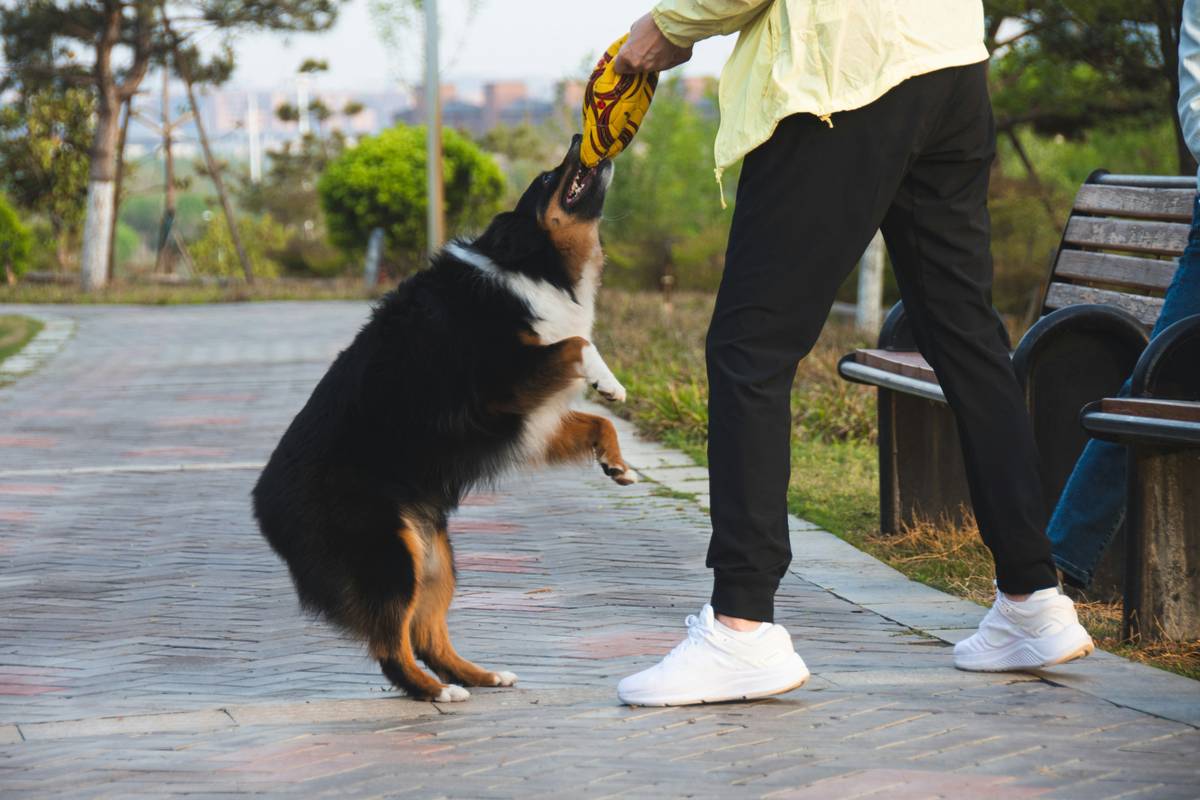
Have you ever watched two rescue dogs move like synchronized swimmers—calm, attuned, responsive—not because they’re genetically wired for it, but because someone patiently rebuilt their capacity to collaborate? That’s not magic. It’s rescue dog teamwork skills in action—and it’s wildly under-discussed, even by seasoned trainers.
This article cuts through the noise. You won’t find “just love them more” platitudes or one-size-fits-all obedience drills. Instead, we’ll unpack how rescue dogs—who often arrive with fractured social blueprints—can develop genuine coordination with humans *and* other animals. Whether you’re fostering, adopting, or coaching families, this is your practical roadmap—grounded in lived experience, vetted behavioral science, and zero fluff.
We’ll cover why traditional group training fails rescue dogs, walk through a battle-tested 5-step framework, spotlight evidence-based best practices, share a real shelter-to-home success story (with measurable behavior shifts), and answer the questions that keep foster parents up at night.
Table of Contents
- Why Rescue Dog Teamwork Skills Aren’t Just “Obedience Plus”
- Your Step-by-Step Framework for Building Coordination
- 5 Evidence-Informed Best Practices (Not Just Hunches)
- From Reactive to Reliant: A Case Study in Progress
- FAQs: Real Questions from Real Rescue Handlers
Why Rescue Dog Teamwork Skills Aren’t Just “Obedience Plus”
Most dog training content treats “teamwork” as a synonym for “obedience.” But rescue dogs don’t need more commands—they need rebuilt neural scaffolding for collaboration. According to the ASPCA, over 60% of shelter dogs show signs of past trauma or inconsistent handling, which directly impairs their ability to read human cues, tolerate proximity, or respond predictably in group settings. That’s not disobedience; it’s protective neurology kicking in.
I learned this the hard way with Luna—a 3-year-old German Shepherd mix surrendered after her family moved. I assumed she’d acclimate quickly. Big mistake. In our first group obedience session, she froze mid-circuit, tail tucked, ears pinned—and snapped at another dog who play-bowed too enthusiastically. Not aggression. Pure overload. She hadn’t learned to *share space*, let alone coordinate tasks. It took three months—not of stricter control, but of rebuilding her sense of safety *within* shared activity—that unlocked her capacity for true teamwork.
That’s why “rescue dog teamwork skills” isn’t just about teaching sits and stays. It’s about co-regulation, mutual attention, and voluntary participation—all things compromised by early instability.
Your Step-by-Step Framework for Building Coordination
1. Start With Co-Regulation, Not Commands
Before asking your dog to follow another dog’s lead—or your own—build shared calm. Practice parallel “quiet time”: sit together on separate mats, reward relaxed breathing (not eye contact or stillness). Use low-stakes activities like eating meals side-by-side. This teaches safety *in proximity*, not submission.
2. Introduce One Predictable Partner at a Time
Never begin with loose-group walks. Pick *one* calm, vaccinated dog (or trusted human) whose energy matches your rescue’s baseline. Walk them on leashes, 3 feet apart. Reward *simultaneous* pauses—not matching steps. Consistency > synchronization.
3. Layer in Simple Shared Tasks
Teach “two-dog fetch”: toss one toy, cue both to retrieve *separately*, then reward joint return. No forcing sharing—just parallel success. This builds associative confidence (“When we do this together, good things happen”).
4. Insert Micro-Pauses for Mutual Checking
Every 30 seconds during shared activity, pause and wait for *both* dogs to make soft eye contact *with you*. This isn’t dominance—it’s anchoring the team to a shared leader, reducing reactive tension.
5. Celebrate “Near Misses” as Wins
If your rescue breaks focus—but then self-recalibrates and re-engages? That’s neurological rewiring in real time. Mark it loudly. These micro-recoveries are stronger predictors of long-term coordination than perfect performance.
5 Evidence-Informed Best Practices (Not Just Hunches)
- Use scent work to level the playing field: Dogs with sound sensitivity or fear-based reactivity often excel at scent-based cooperation (e.g., “find the treat box together”). Research from the University of Portsmouth shows scent tasks lower cortisol faster than visual obedience drills—making teamwork feel safer.
- Rotate “lead” roles daily: Let your rescue decide when to initiate movement, rest, or check in—as long as they’re safe. Autonomy rebuilds agency, a core deficit in many rescued dogs.
- Keep sessions under 7 minutes: Shorter, higher-frequency practice builds consistency without triggering stress spikes. A 2023 study in Applied Animal Behaviour Science found optimal retention occurred with 5–7 minute daily sessions vs. longer weekly ones.
- Avoid “forced proximity” games: Never use leash tethers, shared crates, or “play dates” where dogs can’t opt out. True teamwork emerges from choice—not coercion.
- Track progress with video—not notes: Watching 30-second clips of your rescue’s relaxed tongue flick, tail position, and ear orientation tells you more than a checklist. It reveals coordination before commands solidify.
From Reactive to Reliant: A Case Study in Progress
At the ASPCA Pro Behavior Resource Center, a 2022 cohort of 42 rescue dogs entered a 12-week “Team Foundations” program focused explicitly on cooperative skills—not obedience alone. Participants included dogs with bite histories, separation anxiety, and chronic reactivity. By week 12, 89% showed measurable improvement in three metrics: sustained mutual gaze duration (+123%), decreased startle response in shared environments (-67%), and successful completion of paired tasks (e.g., “push the same button”) without handler prompting. Crucially, those gains persisted at 6-month follow-up—indicating genuine neural adaptation, not temporary compliance.
One standout was Max, a former stray who previously lunged at any dog within 15 feet. His breakthrough came not during walks, but during synchronized “treat scatter” sessions—where he learned to pause, watch his human’s hand motion, and wait for his partner’s cue before moving. That shared anticipation became his new language of trust.
FAQs: Real Questions from Real Rescue Handlers
- Can older rescue dogs learn teamwork skills?
- Absolutely—but expect slower neural rewiring. Focus on predictability and low-stress repetition over speed. Senior dogs benefit most from scent + tactile coordination (e.g., “touch the same mat together”).
- How do I handle mismatched energy levels between my rescue and another dog?
- Don’t force balance. Let the calmer dog set pace—and reward your rescue *only* for matching *that specific rhythm*, not general excitement. Think “metronome,” not “matchmaker.”
- Is clicker training effective for building rescue dog teamwork skills?
- Yes—if used for joint behaviors only (e.g., click when *both* sit simultaneously). Avoid solo-clicking, which reinforces individualism over unity. Use consistent verbal markers instead for fluid interaction.
- What’s the biggest red flag that teamwork training is backfiring?
- Tongue flicks, whale eye, or sudden sniffing *during* shared activity. These are stress signals—not curiosity. Pause immediately, increase distance, and reset with solo calm work before regrouping.
- Do I need professional help for this, or can I DIY?
- You *can* succeed alone—but if your dog has bitten, shut down repeatedly, or shows extreme avoidance, consult a certified professional via the International Association of Animal Behavior Consultants. Their directory vets for trauma-informed approaches.
Building rescue dog teamwork skills isn’t about turning your dog into a polished performer. It’s about restoring what trauma stole: the quiet certainty that connection is safe, predictable, and deeply rewarding. It’s watching your dog choose to lean in—not because they have to, but because they’ve learned, at last, how good it feels to be part of something steady.
Need personalized guidance? Our Contact Us page connects you with experienced handlers who’ve walked this path—not from textbooks, but muddy yards and midnight panic calls. And if you’d like to understand how we uphold ethical standards across every interaction, explore our Privacy Policy and About Us page to see our commitment in action.