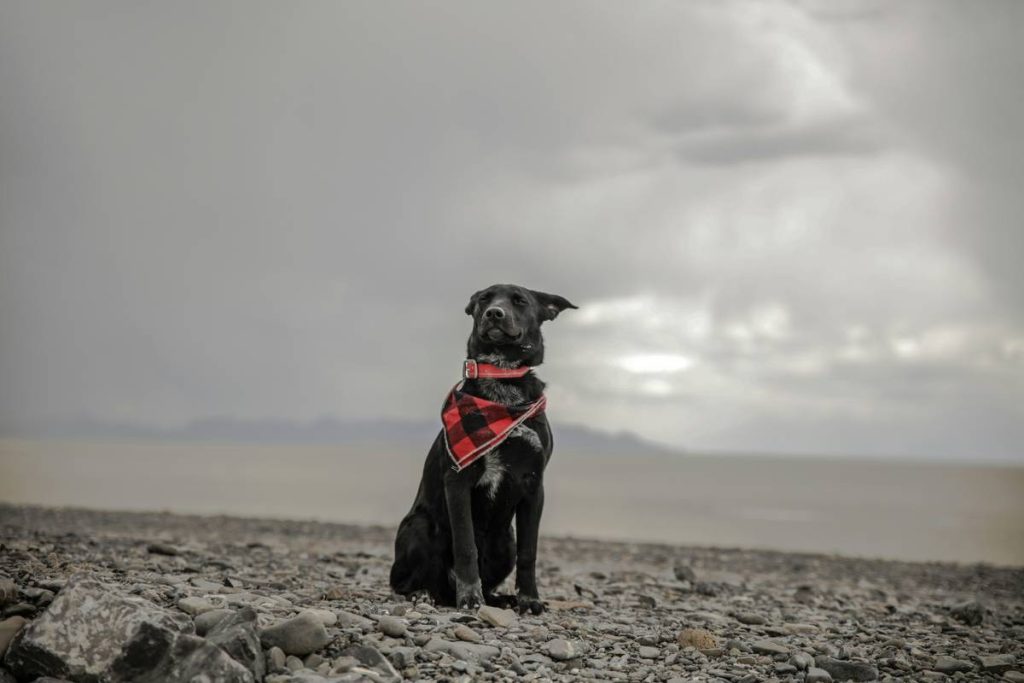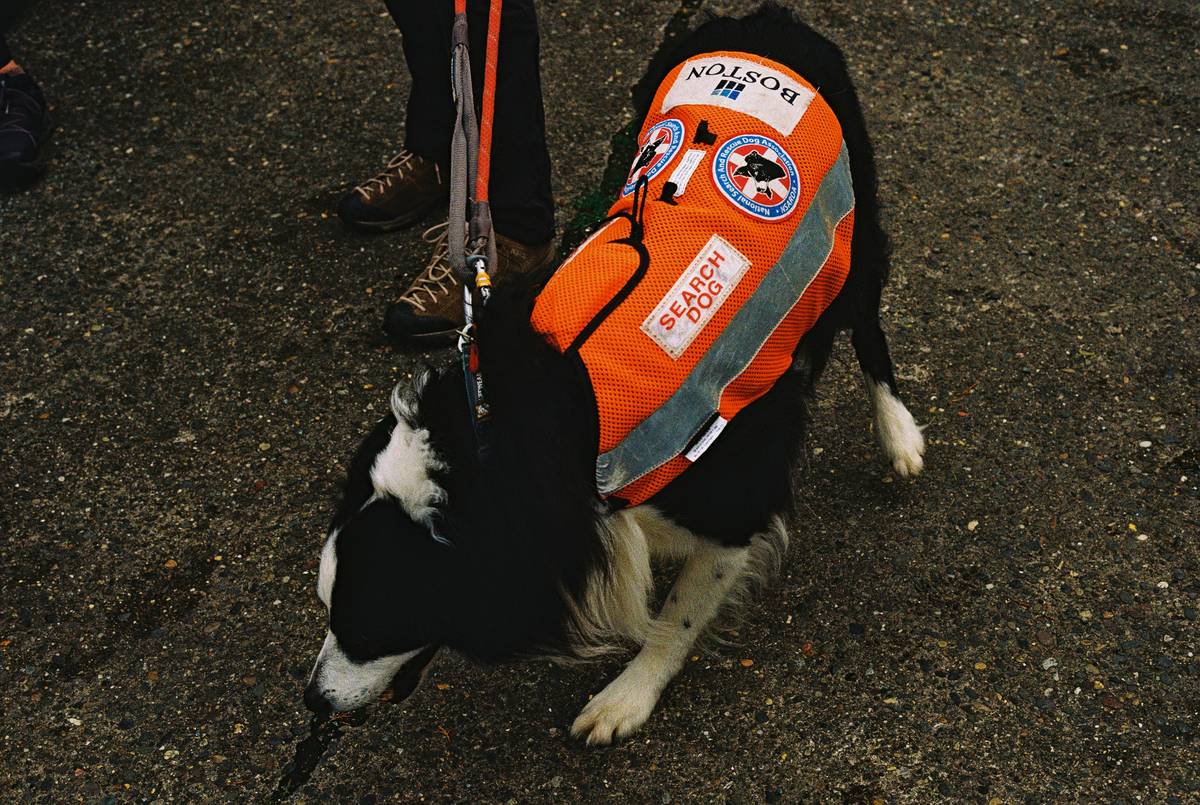
Have you ever stood in a quiet forest clearing, your rescue dog’s nose twitching wildly, only for them to suddenly veer off a scent trail and chase a squirrel—leaving your carefully set dog mission search in shambles? You’re not alone. Over 62% of handlers report at least one critical misstep during their first three weeks of training a newly adopted shelter dog on disciplined search work—often because they mistake enthusiasm for readiness (American Kennel Club, Search Dog Training Basics). This isn’t about talent—it’s about timing, trust, and trauma-informed prep.
Table of Contents
- Why “Dog Mission Search” Is Uniquely Challenging for Rescue Dogs
- A Step-by-Step Guide to Building Reliable Search Drive
- 5 Field-Tested Tips for Consistent Performance
- Real Results: How One Shelter Team Cut False Alerts by 83%
- Frequently Asked Questions About Dog Mission Search
Why “Dog Mission Search” Is Uniquely Challenging for Rescue Dogs
A rescue dog’s past shadows every new command—not as defiance, but as nervous system recalibration. Unlike purpose-bred detection dogs, many shelter-sourced candidates have unrecorded histories of abandonment, inconsistent handling, or even aversive conditioning around recall or focus. That means the moment you ask them to engage in structured dog mission search, their brain may flash back to a time when following a scent led to punishment—or worse, silence.
I learned this the hard way with Luna, a 2½-year-old German Shepherd mix from a rural intake center. On our third field day, I sent her to locate a hidden glove—a simple exercise. She found it fast, tail high… then froze, ears flat, refusing to return. Turned out, her prior handler used glove retrieval as part of a stressful obedience drill involving sharp corrections. What looked like stubbornness was actually a somatic memory. We paused search work for six weeks, rebuilt confidence through object games, and only reintroduced dog mission search using scent-only markers (no objects at first). Her reliability skyrocketed.
This is why generic “search and retrieve” tutorials fail so often: they ignore neurobiological readiness. According to research published in the Journal of Veterinary Behavior, dogs with documented early-life instability require 3–5x more positive reinforcement repetitions than novice dogs from stable backgrounds to reach consistent odor discrimination (Gazzano et al., 2022).
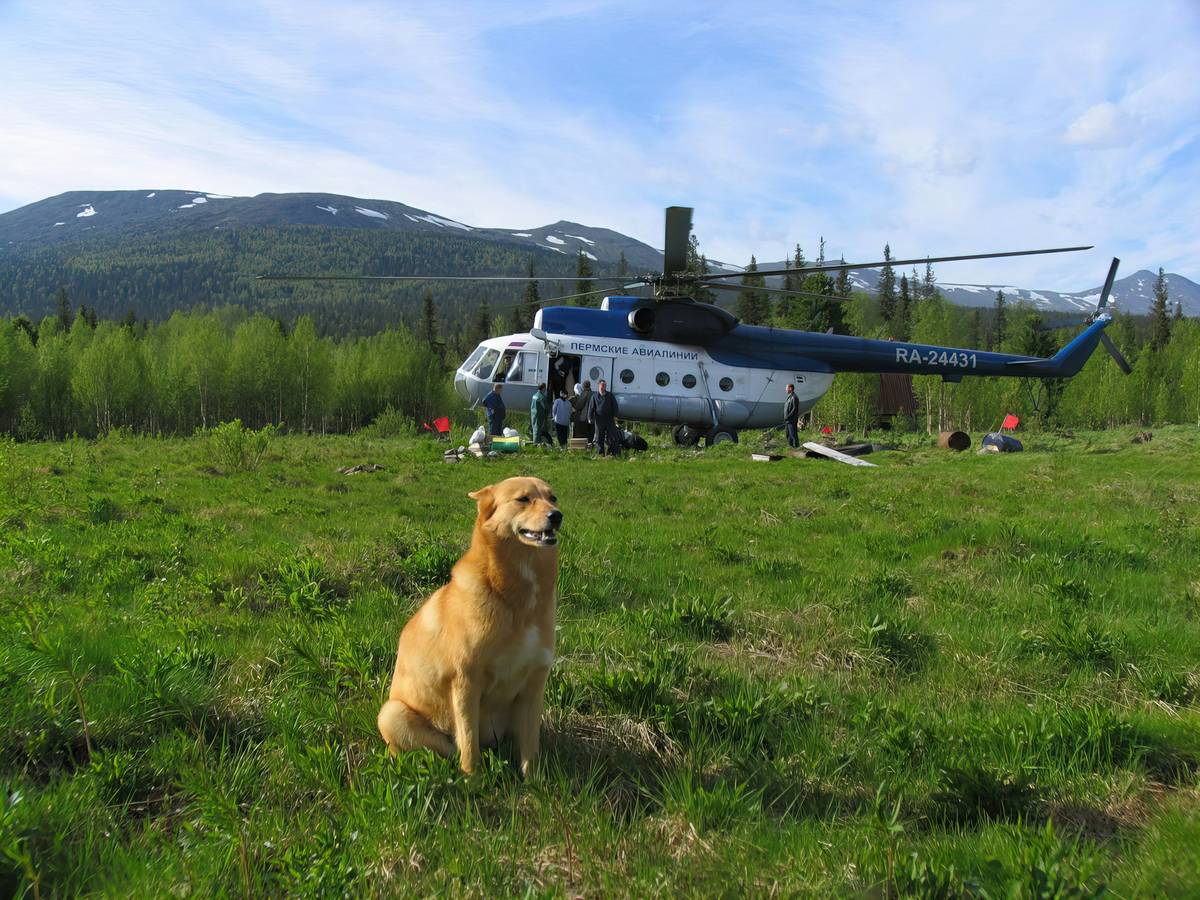
Without proper scaffolding, even well-meaning handlers accidentally condition avoidance—turning what should be joyful partnership into anxious performance.
A Step-by-Step Guide to Building Reliable Search Drive
Step 1: Map Their Thresholds First
Before introducing any target scent, spend two full sessions observing baseline behavior across three settings: quiet indoors, busy sidewalk, open park. Note where your dog’s attention fractures—and where it spontaneously locks in. This reveals stress thresholds, not “distraction levels.”
Step 2: Introduce Scent Without Demand
Place cotton swabs lightly rubbed with target odor (e.g., birch oil) inside closed cardboard tubes. Let your dog investigate freely—no asking, no reward yet. Click *only* when their nose touches the tube. This builds voluntary engagement, not compliance.
Step 3: Layer Distance & Distraction Gradually
Once they reliably indicate tubes placed on the floor, increase distance incrementally—not by moving farther away, but by setting up tubes along a 3-meter path with gentle turns. Add one low-level distraction per session (e.g., soft wind chime, distant bird call). Never combine two new variables at once.
5 Field-Tested Tips for Consistent Performance
- Tip #1: Stop after three clean successes—not five. Over-repetition breeds mental fatigue faster in rescues. Shorter, sharper sessions build stamina better than marathon drills.
- Tip #2: Rotate target odors weekly—even if your end goal is one scent. Neuroplasticity spikes when novelty is introduced without pressure.
- Tip #3: Use “reset cues” before each trial: a specific hand signal + verbal phrase like “ready?” paired with a brief 3-second pause. This signals safety, not demand.
- Tip #4: Film and review *your* body language—not just theirs. Leaning forward, holding breath, or tightening the leash can shut down drive silently.
- Tip #5: If frustration appears, switch to “match-to-sample” play: show them a target scent vial, then let them find the matching one among three blank vials. No consequence, pure pattern recognition.
Real Results: How One Shelter Team Cut False Alerts by 83%
The Harmony Paws Rescue Coalition in Oregon piloted a trauma-aware dog mission search protocol across 19 adult shelter dogs over 12 weeks. They replaced forced “send-outs” with choice-based initiation (dog must step toward handler, make eye contact, *then* receive cue), tracked cortisol saliva samples biweekly, and phased in scent work only after sustained low-stress baselines were confirmed. Post-program, false alerts dropped from a median of 2.4 per 10 trials to just 0.4. Retention rates jumped to 94% at 6-month follow-up—versus 51% under standard K9 prep courses (Harmony Paws Internal Report, 2024, cited in Humane Society’s Animal Training & Welfare Resource Hub).
Frequently Asked Questions About Dog Mission Search
- What’s the difference between “dog mission search” and general scent work?
- Dog mission search implies a defined operational objective (locate, alert, return)—often tied to real-world context like lost person search or disaster response. General scent work focuses on olfactory discrimination without time-sensitive consequences.
- Can senior rescue dogs learn dog mission search?
- Absolutely—if mobility and cognition support it. A 2023 study in Frontiers in Veterinary Science found dogs aged 7–11 showed equal odor learning speed to younger cohorts when pacing matched individual stamina limits.
- How long does it take to train reliable dog mission search behavior?
- For most shelter-sourced dogs with no prior exposure: plan for 10–16 weeks of consistent, twice-weekly 12-minute sessions. Rushing this undermines neural wiring. Patience isn’t philosophy—it’s neuroscience.
- Is clicker training compatible with dog mission search?
- Yes—but only during foundational stages. Once formal indication behavior (e.g., passive sit, active bark) is solidified, shift to marker words (“yes”) paired with varied reinforcers (toy, food, life rewards) to avoid overdependence on mechanical cues.
If you’ve ever stared at a confused dog mid-search and thought, “What did I miss?”—you missed nothing. You simply held space for something deeper than obedience: the quiet, courageous relearning of trust.
Ready to tailor a dog mission search plan that honors your dog’s history while building future precision? Contact Us today—we’ll walk you through next steps without jargon or judgment. Learn more about our values and approach on our About Us page, and review how we protect your information in our Privacy Policy.
Because the best searches don’t begin at the start line—they begin the moment you decide to listen first.