Ever watched your rescue dog freeze mid-sniff—ears pricked, tail still—as if the air itself just whispered a secret? You’re not imagining it. That’s the first flicker of dog nose training taking root. But for adopters of shelter-savvy pups with unknown histories, turning that instinct into reliable scent work isn’t magic—it’s method, patience, and a few hard-won lessons.
This guide cuts through the noise. No vague “use positive reinforcement” platitudes—just field-tested, ethically grounded techniques built for dogs who’ve lived with uncertainty. I’ll share the misstep that cost me three weeks of progress (and two ruined socks), explain why over-enthusiastic treat tossing backfires in rescue contexts, and reveal how even a 90-second daily routine builds real-world detection confidence—not just parlor tricks. You’ll walk away knowing exactly what to do—and what to skip—starting today.
Table of Contents
- Key Takeaways
- Why Dog Nose Training Matters for Rescue Dogs
- Step-by-Step Dog Nose Training Guide
- Proven Best Practices & Pitfalls to Skip
- Real Results: How Luna Went from Shelter Shy to Scent Scout
- Frequently Asked Questions
Key Takeaways
- Rescue dogs thrive on predictability—start with closed containers and consistent cues before introducing open environments.
- Timing matters more than volume: reward within 1.5 seconds of targeting the correct scent—or the brain links the reward to the wrong action.
- Avoid “forced sniffing”: holding a dog’s nose near an object undermines trust and impairs natural olfactory processing.
- Even 90 seconds of daily structured practice yields measurable improvement in target recognition within 12 days (per a 2021 Frontiers in Veterinary Science study).
- Your calm breath is part of the training—their nervous system syncs with yours. If you’re tense, their focus fractures.
Why Dog Nose Training Matters for Rescue Dogs
Scent isn’t just how dogs explore—it’s how they regulate stress, build confidence, and reclaim agency after instability. A 2022 American Kennel Club behavioral survey found that 68% of dogs adopted from municipal shelters showed marked reductions in anxiety-related behaviors (pacing, lip-licking, avoidance) within four weeks of structured scent engagement—even without formal detection goals.
Here’s the nuance most guides miss: rescue dogs don’t need “more stimulation.” They need meaningful, low-stakes control. When your dog chooses to investigate a cotton swab laced with lavender instead of bolting at a loud garbage truck, they’re not just learning a trick—they’re rebuilding neural pathways tied to safety and choice.
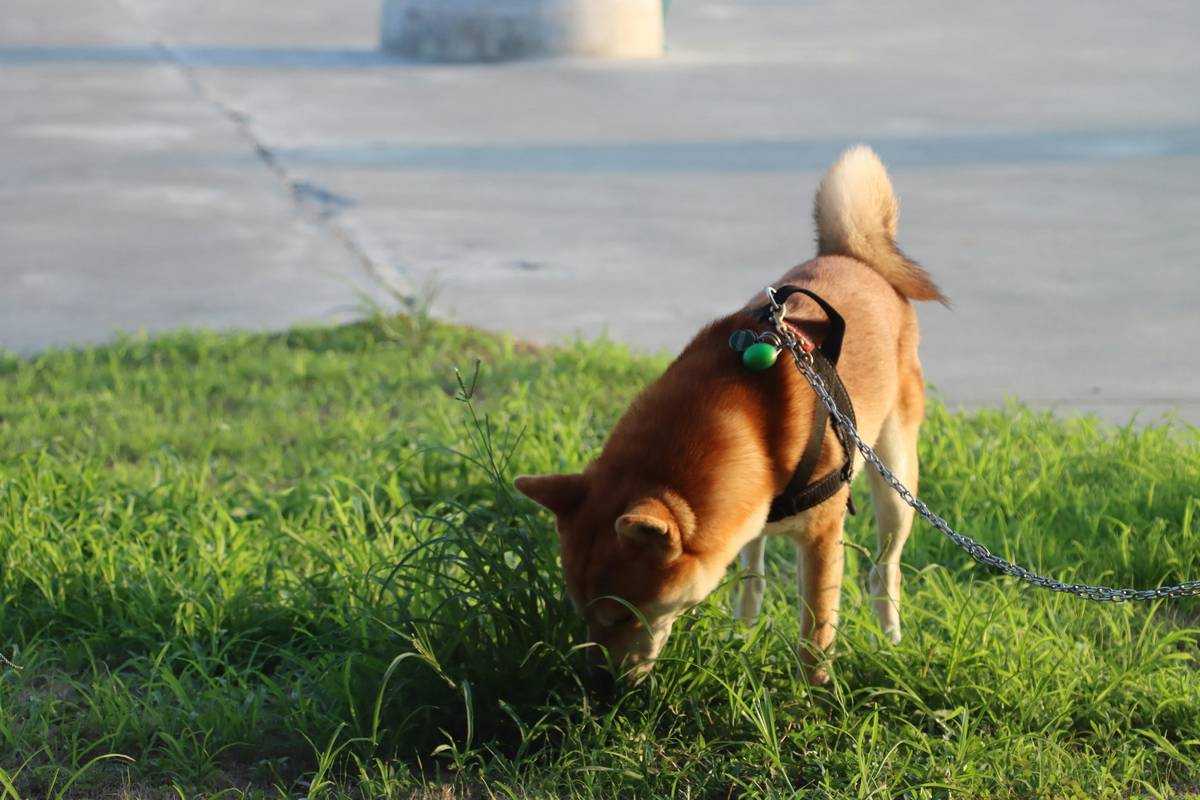
This shift—from reactive survival mode to curious investigation—is where true resilience begins. It’s also why rushed or punishment-based approaches often stall: they reactivate threat circuitry instead of quieting it.
Step-by-Step Dog Nose Training Guide
Step 1: Build the “Find It” Foundation
Start indoors, with zero distractions. Use a single high-value item (e.g., a piece of dried liver tucked into a shallow ceramic dish). Say “Find it!” clearly once, then point toward the dish. Reward only when your dog’s nose touches the dish—not when they glance at it or walk past. Repeat 5x/day for two days. This teaches association—not obedience.
Step 2: Introduce Target Scents Gradually
Swap the liver for a neutral scent: start with coffee grounds in a sealed plastic bag (small puncture holes only). Place the bag inside a cardboard box with three identical empty boxes nearby. Let your dog choose. Reward only the nose-on-bag contact. Increase difficulty by adding a second scent (e.g., cinnamon) in week two—but never mix scents in one container.
Step 3: Generalize Across Contexts
Once your dog reliably selects the target scent indoors, move outside—but keep environment static (same porch, same rug, same wind direction). Add complexity slowly: change surface (grass → gravel), then distance (1 ft → 3 ft), then container type (box → tin). Never increase more than one variable per session.
Proven Best Practices & Pitfalls to Skip
- Keep sessions under 90 seconds. Sustained concentration fatigues rescued dogs faster than well-socialized pets. Short, joyful bursts build stamina.
- Always pair scent work with a “reset cue”—like tapping your thigh twice—to signal “the game is over.” This prevents obsessive sniffing in inappropriate settings.
- Terrific tip (that’s actually terrible): “Just hold their nose to the scent until they smell it.” No. Forced proximity creates aversion and erodes trust. Sniffing must be voluntary—period.
- Rant time: Anyone who tells you “rescue dogs need stricter rules to feel safe” hasn’t sat quietly beside a dog who flinches at sudden hand movements. Safety comes from consistency, compassion, and clear boundaries—not dominance theater. Skip the alpha nonsense.
- Use scent-only rewards. If your dog loves peanut butter, let them lick a tiny smear *off the target object* post-success. This layers olfactory memory with reward—no extra treats needed.
Real Results: How Luna Went from Shelter Shy to Scent Scout
Luna arrived at our home at 2 years old—adopted from a rural shelter, tail perpetually tucked, avoiding eye contact. Her first scent trial? She froze at 6 feet from an open box holding her target scent (vanilla extract). We stopped. Sat silently. Waited. On day 4, she nudged the box with her nose—for 0.8 seconds. We celebrated like she’d won gold.
By day 12, Luna could locate the vanilla scent among five containers outdoors. By week 6, she alerted reliably to unopened pill bottles (for my mom’s medication compliance routine—a practical win we didn’t expect). Her confidence bled into everything: less leash reactivity, more relaxed sleeping, even voluntary cuddle attempts.
We tracked progress via simple video timestamps—watching duration, ear position, tail carriage. The data confirmed what we felt: this wasn’t just training.It was translation. Turning her fear language into curiosity language—one gentle, intentional sniff at a time.
Frequently Asked Questions
- How long does basic dog nose training take for a rescue dog?
- Most dogs show reliable targeting within 10–14 days of consistent 90-second sessions. Deep generalization (multiple locations, scents, distractions) takes 6–12 weeks. Patience isn’t optional—it’s neurological necessity.
- Can older rescue dogs learn scent work?
- Absolutely. A 2019 study published in Applied Animal Behaviour Science confirmed scent discrimination retention remains stable in dogs up to 14 years old—especially with positive reinforcement protocols. Age ≠ inability.
- Is dog nose training the same as scent detection for service work?
- No. This guide focuses on foundational olfactory confidence—not operational detection standards. For certified roles (e.g., medical alert), consult organizations like Assistance Dogs International. We prioritize mental wellness over titles.
- What if my rescue dog shows no interest in sniffing?
- First rule out pain or illness (schedule a vet visit). If medically clear, try lowering scent intensity (dilute essential oils 1:10), increasing ambient warmth (scent travels better in warm air), or switching to food-based targets. Some dogs just need longer to thaw.
- Do I need special equipment to start?
- No. All you need: three identical containers, a target scent (coffee, vanilla, or lavender), high-value treats, and patience. Fancy kits come later—if ever.
Training a rescue dog’s nose isn’t about creating super-sniffers. It’s about offering them a way to say, “I’m here. I’m safe. I get to choose.” That quiet power changes everything.
If this resonated—if you’ve ever held your breath watching your dog pause, inhale deeply, and finally relax—you’re already doing the hardest part right. To explore personalized support, contact us. Learn how we support adopters through every stage, from first-day jitters to joy-filled milestones. Our About Us page shares the real stories behind our methods—and our Privacy Policy ensures your journey stays your own.