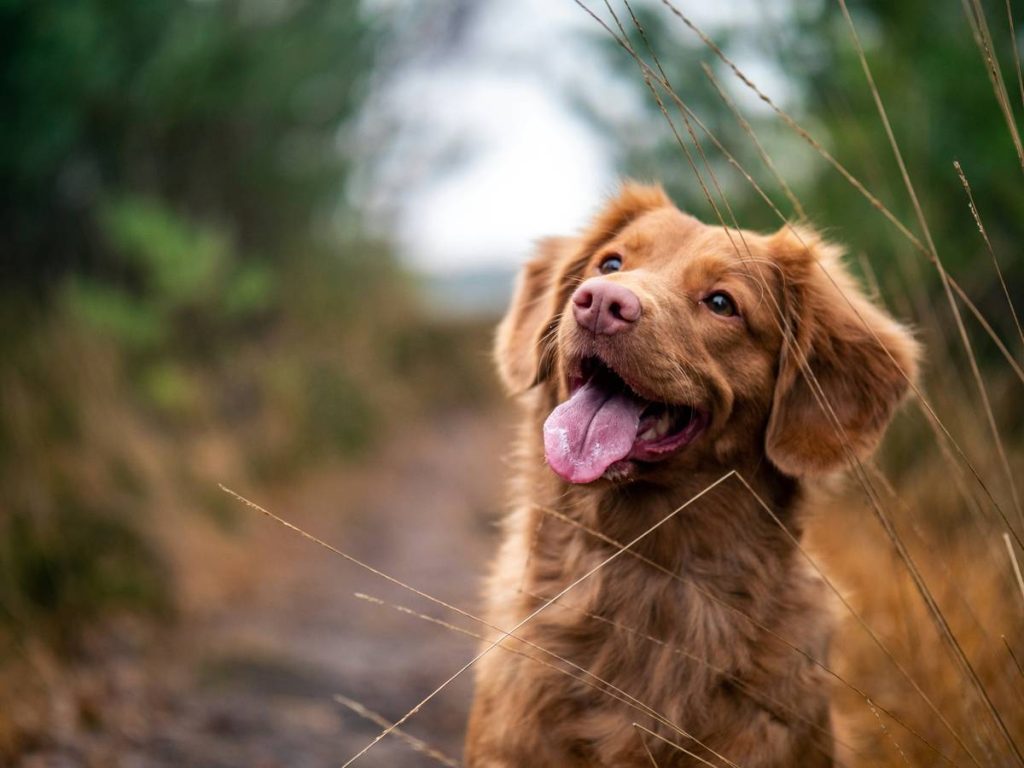
Most rescue dogs fail scent detection training—not because they lack ability, but because we train them like show-line German Shepherds. These dogs carry trauma, gaps in socialization, and unpredictable focus. Traditional methods overwhelm them. But when you tap into their innate survival instincts—especially their nose—you unlock something powerful. Canine scent tracking isn’t just for K9 units. It’s therapy. It’s confidence. And yes, it works—even for the dog abandoned in a crate for months.
Why Standard Scent Training Fails Rescue Dogs
Generic protocols assume baseline obedience and emotional stability. Rescue dogs? They flinch at sudden moves. A dropped leash can trigger panic. You can’t just layer scent games on top of unprocessed anxiety—it collapses under pressure.
And here’s what nobody admits: most trainers skip the foundational trust step. They jump straight to “find the toy” with clove oil or birch extract. But if your dog doesn’t believe the world is safe right now, it won’t care about your hidden towel soaked in anise.
Think about it. If you were locked in a basement for eight months, would you prioritize sniffing out almonds—or scanning for threats?
Step-by-Step Guide to Canine Scent Tracking for Rescues
Phase 1: Safety Before Sniffing
No scent work until your dog chooses to stay near you voluntarily—no leash tugging, no food bribes forcing proximity. Let them decide you’re safe. This might take days. Or weeks. Rush this, and everything after crumbles.
Phase 2: The “Sniff = Relief” Association
Drop high-value treats randomly while walking a quiet path. Don’t cue anything. Just let them discover. Over time, the act of sniffing becomes calming—not stimulating. That shift is everything.

Phase 3: Introduce Target Odors—Gently
Use one food-safe essential oil (like lavender) applied sparingly to a cotton ball. Hide it under a bowl while your dog watches. Let them nudge it over themselves. Celebrate the discovery—but quietly. No clapping. No yelling “Good boy!” Save enthusiasm for internal eye contact, not external chaos.
Phase 4: Build Complexity Slowly
Now layer in distractions, wind changes, and longer search zones—but only if your dog initiates interest. Never push. Watch their ears, tail, breathing. If they glance away repeatedly, you’ve gone too far.
| Training Stage | Duration (Est.) | Key Indicator of Readiness | Avoid If… |
|---|---|---|---|
| Trust Building | 3–14 days | Dog seeks proximity without command | Dog freezes or hides when you move |
| Free Sniffing | 5–10 sessions | Sniffing lowers heart rate visibly | Dog sniffs frantically or won’t lift head |
| Target Introduction | 7–21 days | Dog checks back with you post-find | Dog eats cotton ball or ignores it entirely |
| Pattern Searches | Ongoing | Chooses scent over distraction | Stops mid-search to scan environment |

The Industry Secret: Trauma Isn’t a Barrier—It’s Fuel
Here’s what elite detection handlers know but rarely say: many rescue dogs have sharper olfactory focus than purpose-bred pups. Why? Because survival depended on reading the air—smelling fear, decay, rain, strangers. Their brains are already wired for micro-scent discrimination. We just need to redirect that hyper-vigilance into structured curiosity.
I worked with “Mara,” a pit mix seized from a hoarding case. She’d shut down during basic sit-stays. But the moment I laid out three identical boxes—one with rosemary oil—her entire body softened. She wasn’t just tracking a scent. She was solving a puzzle that made her feel competent. Within six weeks, she located hidden items in a noisy park. Not because she loved me. Because the game told her: You’re capable.
That’s the real power of canine scent tracking for rescues. It rebuilds agency—one sniff at a time.
Frequently Asked Questions
Can any rescue dog learn canine scent tracking?
Not every dog will become operational—but nearly all benefit from scent-based confidence work. Start simple. Observe response. Adjust relentlessly.
What scents are safest for beginner tracking?
Food-grade essential oils like peppermint or lemon (diluted). Avoid synthetics. Always patch-test for respiratory sensitivity first.
How soon after adoption should I start training?
Wait until your dog consistently eats, sleeps, and explores without trembling. That could be day 10—or month 3. Trust your dog’s behavior, not calendar dates.