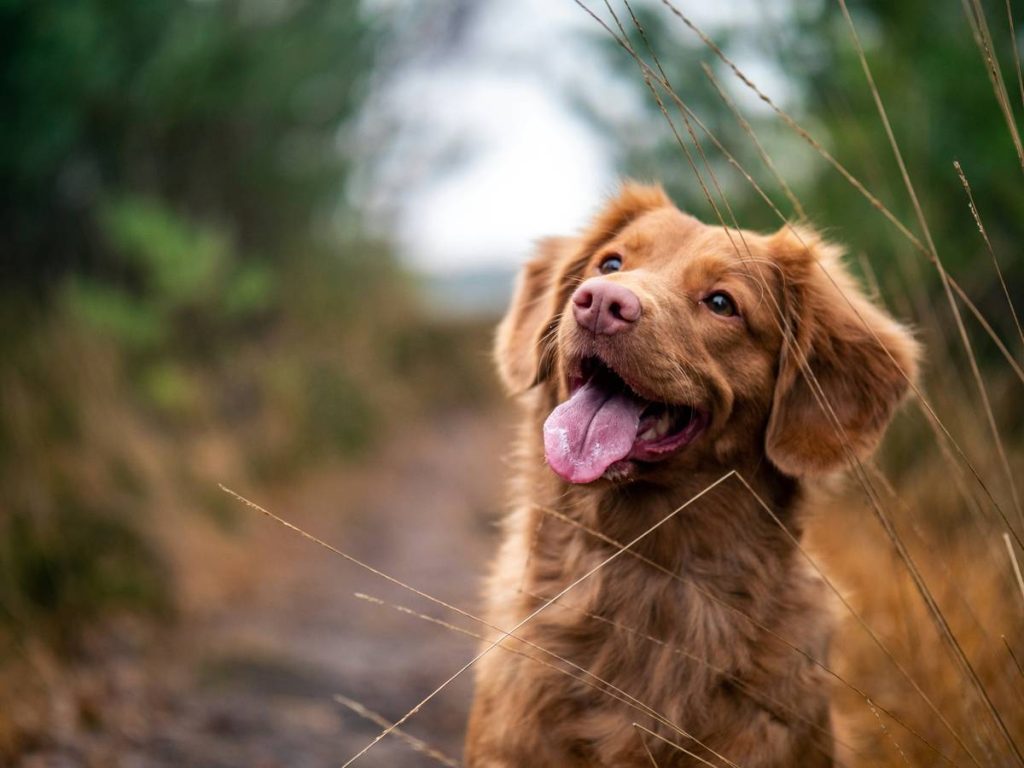
You adopted a rescue dog with potential—but their past trauma makes traditional training feel like shouting into a void. You’ve tried commands, treats, even clickers. Nothing sticks. And now you’re wondering if scent detection training is just another overhyped trend… or your last real shot at connection.
Why Standard Training Fails Rescue Dogs in Scent Work
Most obedience methods assume a baseline of trust. Rescue dogs often operate from survival mode—hypervigilant, shut down, or reactive. Pushing sit-stay drills ignores their neurological reality. Their brains aren’t wired for compliance; they’re tuned for threat detection.
And scent detection? It’s not obedience. It’s instinct. That’s the pivot point.
Scent Detection Training: A Step-by-Step Framework Built for Trauma Histories
Forget “proofing” behaviors. Start by hacking their natural olfactory drive—the one thing trauma rarely erases. Here’s how:
Phase 1: Build Association Without Pressure
Introduce target odor (e.g., birch oil) paired with high-value food—no commands, no leashes, no expectations. Let them sniff a cotton swab, then immediately toss chicken. Repeat. The goal? Make the smell = magic food appearing out of thin air.
Phase 2: Shape the “Find” Instinct
Hide the scented item under a cup. When they nudge it, reward. Then two cups. Then under a towel. Keep sessions under 90 seconds. If they walk away? Session over. No coercion. Ever.
Phase 3: Add Minimal Structure—Only After Consistency
Once they reliably seek the odor, attach a quiet verbal marker like “Yes!” right at the moment of indication. Not before. Not after. Precision builds confidence—not repetition.

| Training Stage | Duration per Session | Success Metric | Common Pitfall |
|---|---|---|---|
| Odor-Food Pairing | 3–5 minutes | Dog looks toward source after sniffing | Over-handling or rushing to hide items |
| Passive Indication | 60–90 seconds | Sniff → pause → look at handler | Rewarding movement instead of stillness |
| Controlled Searches | 2–4 minutes | Finds source in 3/5 trials with zero cues | Increasing difficulty too fast |

The Industry Secret: Olfaction Bypasses the Fear Circuit
Here’s what most trainers won’t tell you: when a dog engages deeply in scent work, their amygdala—the fear center—temporarily disengages. It’s neurobiological. Not theory. Actual fMRI studies show reduced stress markers during focused olfactory tasks. For rescue dogs stuck in fight-or-flight, this isn’t just training—it’s neurological repatterning. You’re not teaching a skill. You’re creating a safe mental state they can return to again and again.
Frequently Asked Questions
Can older rescue dogs learn scent detection?
Absolutely. Age doesn’t limit olfactory ability—in fact, senior dogs often excel due to lower arousal and better focus.
What target odors are safest for beginners?
Start with food-grade essential oils like birch or anise. Avoid synthetic compounds—they’re harder to source consistently and may irritate sensitive noses.
How soon will I see progress?
Some dogs indicate reliably within 7–10 short sessions. Others take weeks. Watch for subtle shifts in curiosity—not just success rate.