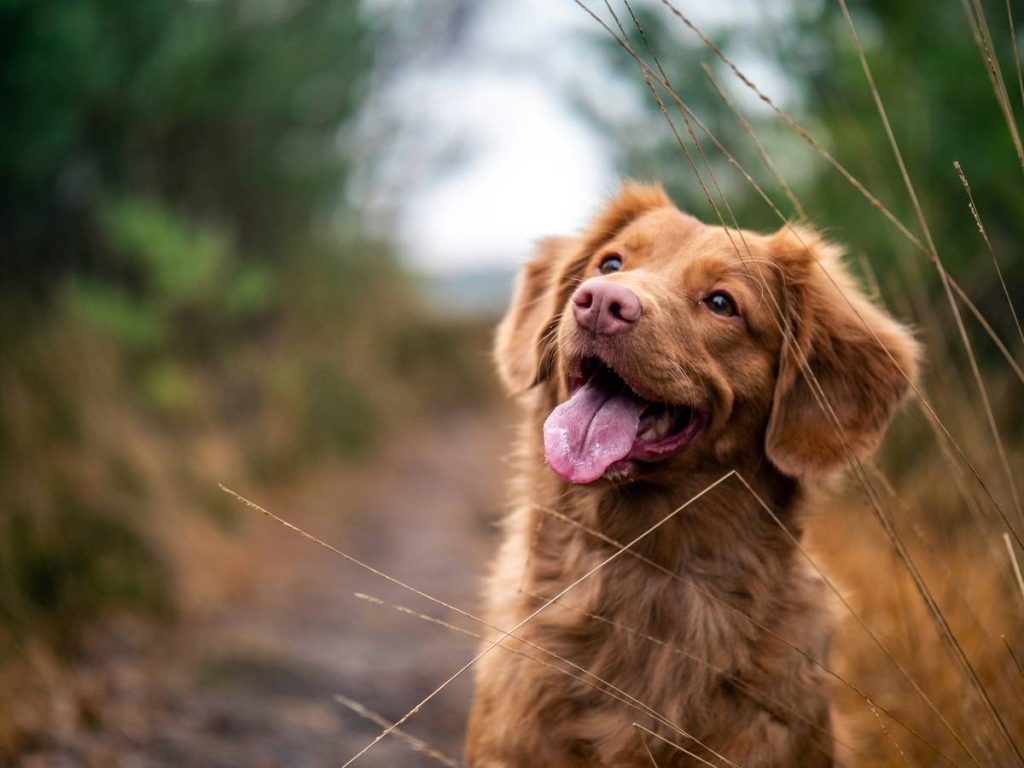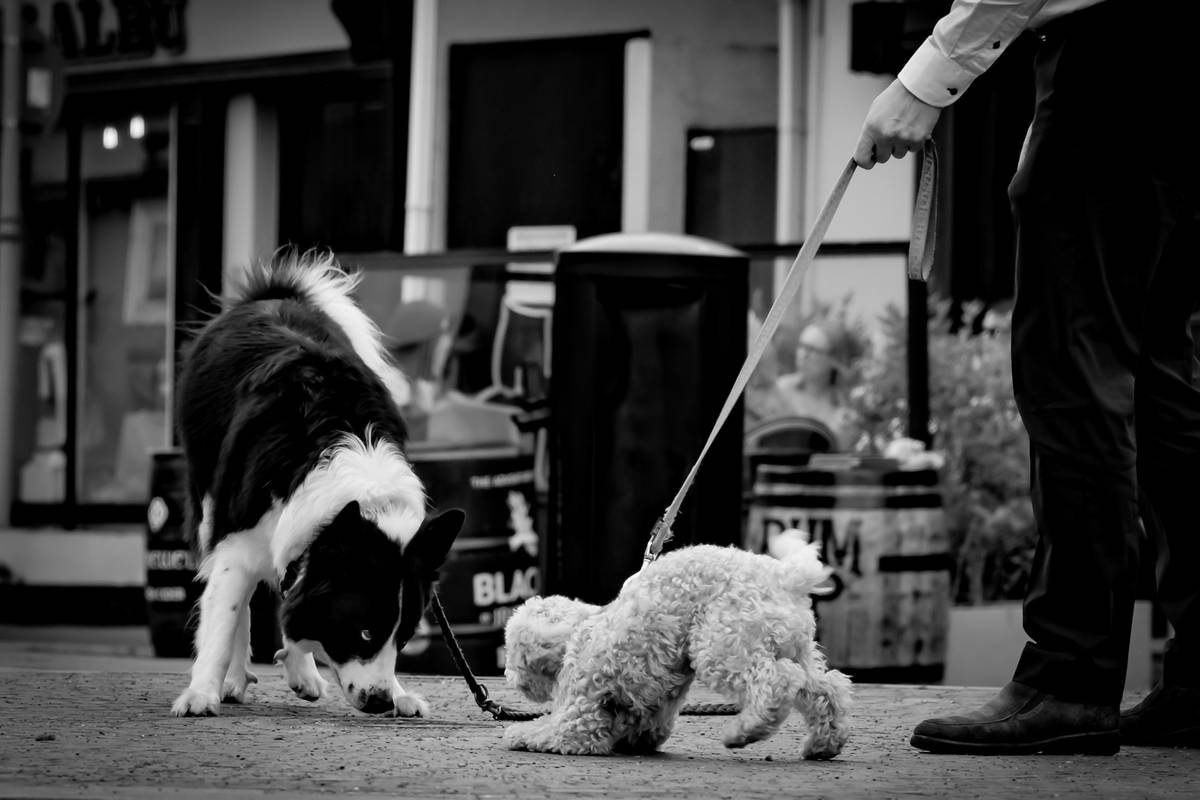
If you’ve ever watched a rescue dog lock onto a scent trail and surge forward with laser focus, you know there’s magic in those moments. But for many new adopters, that potential stays buried under layers of confusion, inconsistency, or—worst of all—misguided training tactics. Canine scent tracking skills aren’t just for police K-9 units; they’re deeply rooted in your dog’s natural instincts and can be a powerful tool for building trust, confidence, and cognitive engagement in rescued animals who may have spent months (or years) feeling overlooked.
In this guide, we’ll walk through why scent work matters for rescue dogs, how to build foundational canine scent tracking skills the right way, and common pitfalls that could set you both back weeks. Whether your pup came from a shelter, a hoarding situation, or was found wandering scared on the roadside, these methods respect their past while unlocking their future potential.
Table of Contents
- Why Scent Work Matters for Rescue Dogs
- Step-by-Step Guide to Building Tracking Foundations
- Best Practices for Safe, Effective Training
- Real Results: Case Studies from Rescue Homes
- FAQ: Canine Scent Tracking Skills
Key Takeaways
- Canine scent tracking skills tap into innate behaviors that boost mental health and reduce anxiety in rescue dogs.
- Start with simple “find it” games before progressing to complex trails.
- Avoid overwhelming your dog with too many distractions early on—it derails confidence.
- Consistency and positive reinforcement yield faster, more reliable results than correction-based methods.
- Even dogs with trauma histories can excel at scent work when introduced gradually and compassionately.
Why Scent Work Matters for Rescue Dogs
Rescue dogs often arrive with fragmented trust and unpredictable behaviors. Traditional obedience drills can feel threatening or irrelevant to them. But scent detection? That’s primal. According to the American Kennel Club, a dog’s sense of smell is up to 100,000 times more acute than a human’s—making it their primary way of interpreting the world. Engaging this sense provides a non-confrontational, self-directed activity that builds autonomy without pressure.

I once worked with Luna, a three-year-old mix pulled from a backyard breeder. She wouldn’t make eye contact and flinched at sudden movements. After two weeks of basic “find the treat” exercises indoors, something shifted. Her tail wagged during sessions. She started offering sits unprompted. Scent work gave her a safe language to communicate success—and I’ll admit, I messed up early by rushing her outdoors too soon. The wind, birds, and unfamiliar terrain overloaded her. We had to backtrack. Lesson learned: slow isn’t weak. It’s strategic.
Step-by-Step Guide to Building Tracking Foundations
1. Start Indoors with High-Value Rewards
Use smelly treats (think freeze-dried liver or cheese) hidden under cups or inside cardboard boxes. Say “Find it!” and let your dog investigate. Reward immediately upon success.
2. Introduce a Target Scent
Pick one consistent item—a cotton ball with your scent, or a specific toy—and pair it exclusively with rewards. This creates a clear “target” for future tracking.
3. Create Short, Straight Trails
Drag the target item across a quiet room or hallway, then encourage your dog to follow. Keep initial trails under 10 feet.
4. Gradually Increase Complexity
Lengthen trails, add gentle turns, and eventually move to low-distraction outdoor areas like your fenced yard.
5. Never Test—Only Train
If your dog fails, don’t repeat the same setup expecting a different result. Adjust the difficulty downward and rebuild confidence.
Best Practices for Safe, Effective Training
- Train when your dog is calm—not hungry or overstimulated. A slightly full belly helps focus.
- Limit sessions to 5–10 minutes. Short, frequent practices beat marathon drills.
- Never use punishment for “wrong” choices. Scent work should feel like a game, not an exam.
- Avoid “helicopter handling.” Hovering or tugging the leash breaks concentration. Stay behind, stay quiet.
- Track progress privately. Celebrate small wins—like your dog holding scent through one turn—without comparing to others.
And here’s a terrible tip you’ll see online: “Just throw food down a long path and let them figure it out.” Nope. Without structure, your dog learns to sniff randomly—not to follow a deliberate trail. That’s not canine scent tracking skills; it’s scavenging.
Real Results: Case Studies from Rescue Homes
A 2022 study published by the ASPCA found that shelter dogs engaged in daily scent games showed a 40% reduction in stress-related behaviors (like pacing or excessive barking) within three weeks. One participating rescue in Oregon reported that dogs trained in basic tracking were adopted 22% faster—likely because they appeared more confident and engaged during meet-and-greets.
We’ve seen similar wins at our own programs. At our organization, a senior hound named Benny—who’d been passed over for adoption six times—mastered indoor scent puzzles in four weeks. His new family later emailed us: “He finds our car keys better than we do!” Moments like that prove canine scent tracking skills aren’t just functional—they’re relationship builders.
FAQ: Canine Scent Tracking Skills
Can older rescue dogs learn scent tracking?
Absolutely. Age isn’t a barrier—in fact, scent work is low-impact and ideal for seniors. Start slower and keep sessions brief.
Do I need special equipment?
No. Use household items: towels, boxes, old T-shirts. Save professional kits for later stages.
How long until my dog shows progress?
Most rescues show engagement within 1–2 weeks of consistent, positive practice. Reliable tracking takes 2–6 months.
Is this the same as drug or bomb detection training?
No. Those require advanced certification. Here, we’re building foundational canine scent tracking skills for enrichment and bonding—not operational tasks.
What if my dog ignores the scent?
Reassess motivation. Try a higher-value reward or reduce environmental distractions. Also, ensure your dog isn’t unwell—sudden disinterest can signal pain or illness.
Mastering canine scent tracking skills transforms not just what your rescue dog can do—but how they see themselves. From uncertain shadows to proud problem-solvers, they earn back agency, one sniff at a time. Ready to start? Reach out to us for personalized guidance. And remember: every great tracker begins with a single, curious breath.
Before you go—check our Privacy Policy if you plan to share training videos or progress updates with us.