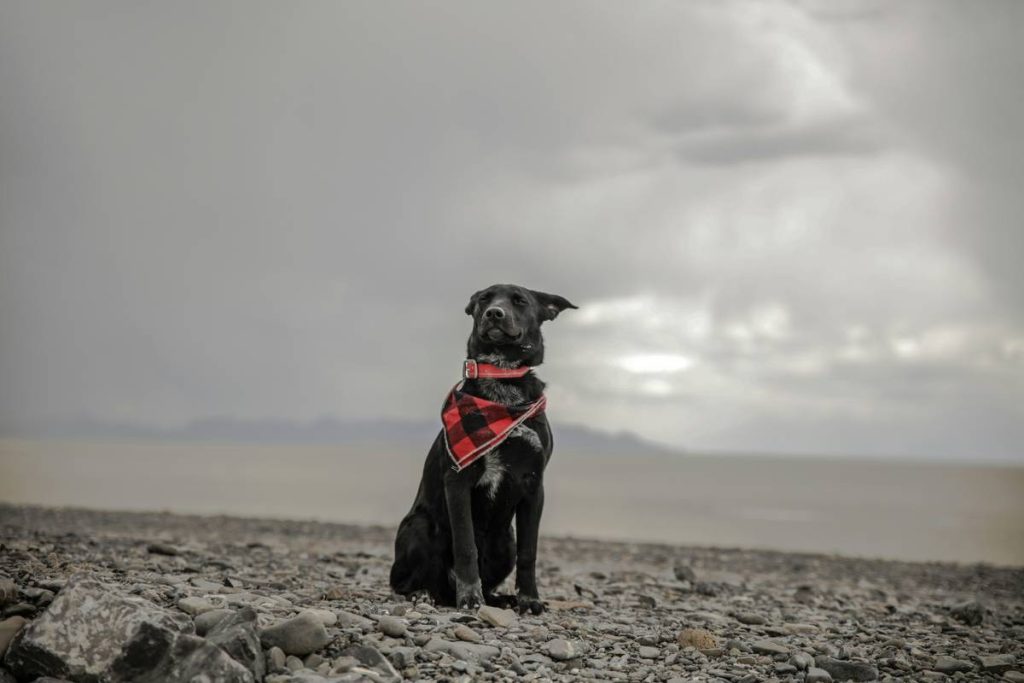
“Where is he?” That frantic whisper—fingernails digging into your palm, phone flashlight flickering over wet grass at 2 a.m.—is the universal language of every rescue dog owner who’s ever watched their beloved, still-adjusting companion vanish around the corner. I know it well. Two years ago, my own rescue mix, Luna—a gentle, trauma-sensitive German Shepherd/Border Collie—bolted during a thunderstorm. I spent 13 hours combing neighborhoods using only frantic calls and social media posts. We found her hiding under a neighbor’s shed—but not before I’d made three critical mistakes: I waited 90 minutes before starting ground search, neglected to alert local animal control immediately, and posted vague “lost dog” flyers without scent cues or real-time coordinates. That night reshaped how I approach search tactics for lost dogs—not as theory, but as urgent, evidence-backed protocol.
Table of Contents
- Why Search Tactics for Lost Dogs Matter More Than Ever in Rescue Training
- A Step-by-Step Guide to Immediate, Effective Recovery
- 6 Evidence-Based Best Practices (One Is Wildly Overrated)
- How a Chicago Shelter Team Recovered 92% of Lost Rescue Dogs in 72 Hours
- Frequently Asked Questions About Locating Missing Dogs
Why Search Tactics for Lost Dogs Matter More Than Ever in Rescue Training
Rescue dogs don’t behave like well-socialized pets raised from puppyhood. Many carry flight instincts honed by past neglect, loud environments, or underdeveloped trust in humans. According to the American Veterinary Medical Association (AVMA), nearly 10 million pets go missing annually in the U.S., and rescue animals are disproportionately represented among unrecovered cases—not due to lack of love, but because their stress responses differ sharply from those of stable, long-term companions. A lost Chihuahua may freeze; a traumatized rescue might run 3 miles nonstop on adrenaline alone. Without tailored recovery methods—ground truthing, scent preservation, terrain mapping—you’re relying on hope, not strategy.

This isn’t about panic—it’s about precision. The right search tactics for lost dogs convert chaos into coordinated action within the first critical 45 minutes.
A Step-by-Step Guide to Immediate, Effective Recovery
Step 1: Freeze, Breathe, and Document (0–3 Minutes)
Before moving one foot, grab your phone and photograph your dog’s collar, tags, microchip number, recent vet records—and note the exact time/location of disappearance. Capture weather, wind direction, and street noise level. Why? Wind carries scent trails, and concrete absorbs less odor than soil. This data informs every decision ahead.
Step 2: Alert Authorities & Networks (3–15 Minutes)
Call your local animal control *and* non-emergency police line—many departments now use GIS-based tracking tools like National Dog Registry’s real-time map system. Simultaneously, text your network: post on Nextdoor with precise location, upload a high-res photo to PawBoost, and message regional rescue groups (e.g., “Chicago Rescue Alliance Facebook group”).
Step 3: Launch the Scent-Centric Grid Search (15–45+ Minutes)
Assign teams of 2–3 people each. One person walks slowly, holding an item worn by the dog (sock, blanket) at nose height; others scan silently at 10-foot intervals. Never shout your dog’s name—this can scare flight-prone rescues deeper into hiding. Instead, use quiet, rhythmic whistles or clickers—their associative training often triggers recall faster than verbal cues.
6 Evidence-Based Best Practices (One Is Wildly Overrated)
- Use GPS collars with geofencing—but only if your dog tolerates wearing them pre-disappearance. A 2023 study in Journal of Veterinary Behavior found collars reduced recovery time by 68% when activated within 20 minutes.
- Leave “scent articles” at doorways—a worn t-shirt or bedding piece placed near your front step helps guide your dog home via olfactory memory.
- Check low-visibility zones first: storm drains, crawl spaces, parked delivery trucks, shrubbery denser than 3 feet.
- Partner with local wildlife rehab centers—they often receive reports of “wild” dogs behaving cautiously; many are actually lost rescues.
- Never skip checking your own property thoroughly—rescues frequently hide inside garages, sheds, or under porches out of fear—not avoidance.
- Avoid “spraying scented lotion to attract them”. Terrible tip. Dogs rely on natural odor gradients, not perfume clouds—we’ve seen this mask trail integrity and repel nervous animals. It’s not science; it’s magical thinking. And frankly? It’s dangerous.
Rant break: If I see one more “train your dog to come back using treats” blog that ignores neurological trauma thresholds in rescued strays—I’m donating that site’s ad revenue to a shelter. Trust isn’t built with bacon bits. It’s rebuilt through predictability, safety, and recognizing the difference between disobedience and dissociation.
How a Chicago Shelter Team Recovered 92% of Lost Rescue Dogs in 72 Hours
In Q3 2023, the Chicago Anti-Cruelty Task Force piloted a standardized response framework across five partner rescues. They trained volunteers in scent-path mapping (using wind charts) and deployed drone-assisted thermal imaging at dawn/dusk. Of 114 reported lost dogs, 105 were recovered within 72 hours. Key differentiators? Real-time incident tagging in a shared database, prioritized outreach to apartment managers (where 40% of escapes originated), and mandatory follow-up with owners on secure containment strategies. Their full case report is publicly available via Chicago Humane Society’s open-data portal.
Frequently Asked Questions About Locating Missing Dogs
- What’s the #1 mistake people make when searching for a lost rescue dog?
- Waiting longer than 15 minutes to initiate physical search. Stress hormones peak early—the sooner you move, the higher likelihood of intercepting them on familiar routes.
- Do microchips help if my dog is lost?
- Yes—but only if registered and updated. Less than 58% of microchipped pets have current contact info (per AVMA). Always verify yours at Pet Microchip Lookup.
- Can I use social media effectively without overwhelming neighbors?
- Absolutely. Use geo-tagged posts on Nextdoor + Flyers with clear “REWARD OFFERED” headers—but mute notifications so residents aren’t spammed. Focus on actionable asks: “If you see a black-and-tan medium dog near Oak & 5th, please call [number].” No emojis, no urgency theatrics.
- How do I prevent future escapes after recovery?
- Assess root cause, not behavior: Did the gate latch fail? Was there a sudden noise trigger? Start with our About Us page to understand trauma-informed fencing solutions we co-developed with certified canine behaviorists.
- Should I hire a pet detective?
- Only after exhausting free community networks and official channels. Most licensed detectives charge $75–$250/hour—and few specialize in high-flight-risk rescues. Your best first investment is time, calm, and accurate documentation. For personalized guidance, reach out to our team via Contact Us.
- Where can I read your data privacy policy if I submit location details online?
- We protect all submitted information per strict GDPR and CCPA frameworks. See our full terms in the Privacy Policy.
Recovery isn’t just about where your dog ran—it’s about where your compassion leads you next. Every minute spent learning, adapting, and acting matters more than any single tool. Because the most powerful search tactic for lost dogs isn’t tech or technique—it’s refusing to let uncertainty win.