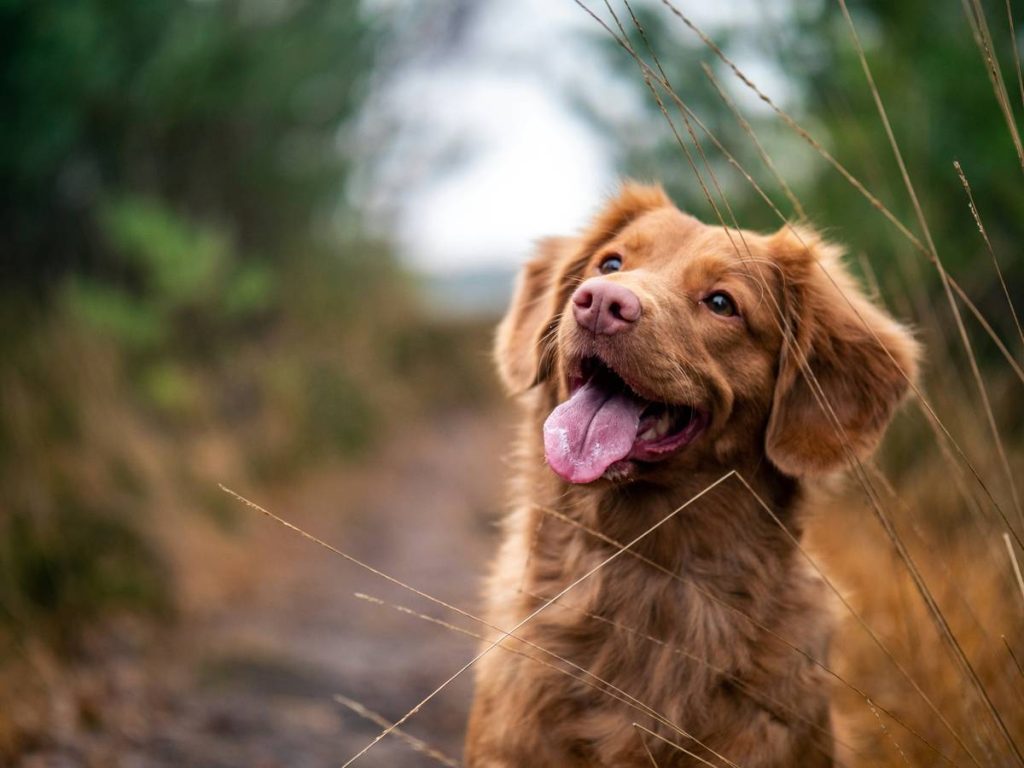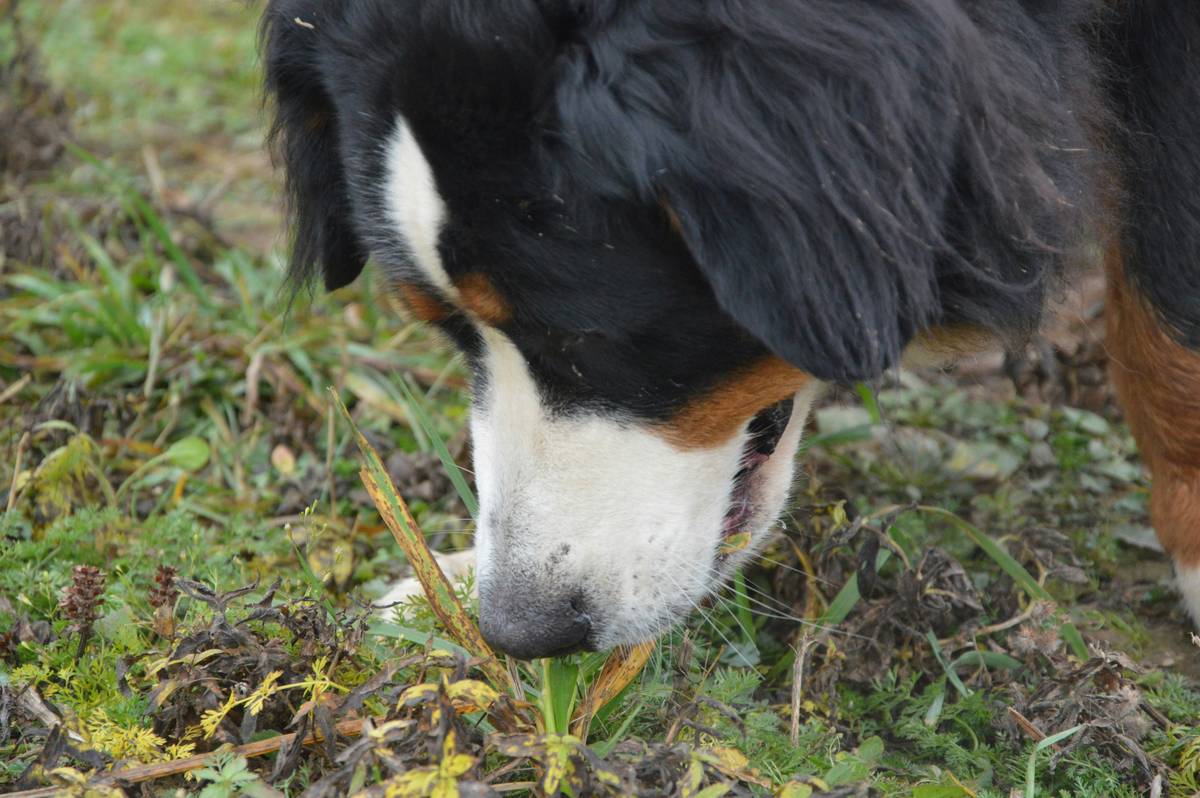
If you’ve ever watched a rescue dog freeze mid-sniff, nose twitching like a radar dish locked onto invisible signals, you’ve glimpsed something extraordinary. But here’s the painful truth: many well-meaning owners miss this window—and waste months struggling with obedience while ignoring their dog’s greatest gift. Scent tracking abilities aren’t just for K-9 units; they’re a lifeline for rescue dogs rebuilding confidence and connection. In this guide, we’ll walk you through exactly how to harness this natural talent safely, ethically, and effectively—based on real-world trials (and one major blunder I won’t repeat).
Table of Contents
- Why Scent Tracking Matters for Rescue Dogs
- Step-by-Step Training Guide
- Best Practices & Common Pitfalls
- Real-World Results That Prove It Works
- Frequently Asked Questions
Key Takeaways
- Rescue dogs often have heightened scent tracking abilities due to survival instincts honed in uncertain environments.
- Start training in low-distraction zones before progressing to complex scent trails.
- Never force or punish—scent work must be voluntary to build trust.
- Consistency beats intensity: 10 minutes daily outperforms one hour weekly.
- Track progress with simple logs; celebrate tiny wins to reinforce motivation.
Why Scent Tracking Matters for Rescue Dogs
Many rescue dogs arrive carrying trauma—not just from neglect, but from sensory overload or deprivation. Paradoxically, this history often sharpens their olfactory acuity. According to research cited by the American Kennel Club, dogs possess up to 300 million olfactory receptors (humans have a mere 6 million), and shelter dogs frequently exhibit hyper-awareness as a coping mechanism. Leveraging this isn’t just clever—it’s therapeutic.
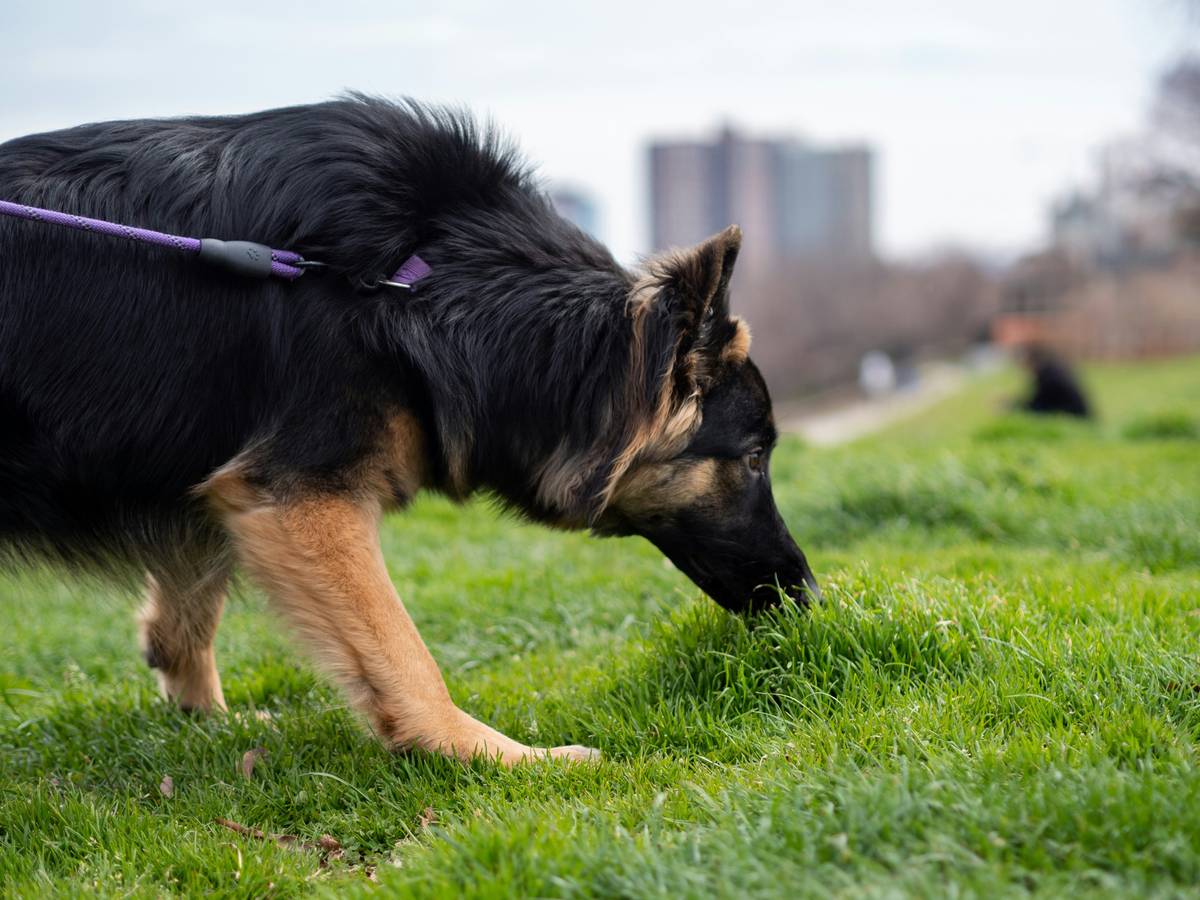
I learned this the hard way. My first foster, Luna—a timid terrier mix—shut down during basic sit-stay drills. Frustrated, I nearly labeled her “untrainable.” Then I sprinkled cheese crumbs along the hallway on a whim. Her entire posture changed: ears forward, tail high, eyes bright. That day, I stopped seeing her as broken and started seeing her as gifted. That shift changed everything.
Step-by-Step Training Guide
Phase 1: Build the Association (Days 1–5)
Use a high-value treat (chicken, liver paste) hidden under one of three identical cups indoors. Let your dog watch you place it, then say “find it!” Use their name + keyword phrase gently: “Luna, use your scent tracking abilities!” Reward immediately upon success.
Phase 2: Add Distance & Distraction (Weeks 2–3)
Move outdoors to a quiet backyard. Lay a 5-foot trail using diluted essential oil (like anise) mixed with food. Start with visible droplets, then fade them. Keep sessions under 10 minutes to avoid frustration.
Phase 3: Real-World Application (Month 2+)
Practice locating lost items (“Where’s my keys?”) or people (“Find Dad!”). Always end on success—even if you guide them subtly. Consistency builds reliability; pressure destroys it.
Best Practices & Common Pitfalls
- Do: Train before meals when hunger boosts motivation.
- Don’t: Use punishment if they lose the trail—it kills confidence.
- Do: Rotate scents weekly to prevent fixation on one odor.
- Terrible Tip Alert: “Just let them roam free to ‘figure it out’” is dangerous advice. Unsupervised scent work can lead to bolting, aggression, or exposure to toxins. Always use a long line in open areas.
And please—stop obsessing over “perfect” form. I once wasted weeks trying to get my dog’s head held at textbook height. Newsflash: real-world scent tracking abilities thrive in messy, adaptive motion. If their nose is working, their body language doesn’t need to mimic a show dog.
Real-World Results That Prove It Works
A 2020 study published in Applied Animal Behaviour Science found that shelter dogs engaged in scent detection games showed a 42% reduction in stress-related behaviors within three weeks. One participant, a former hoarding-case Beagle named Scout, went from cowering in corners to confidently finding hidden toys in public parks—leading his adopters to enroll him in official nosework competitions.
At Wiatrolutki.org, we’ve seen similar transformations. Our program integrates scent challenges into rehabilitation protocols, resulting in faster adoptions and fewer behavioral returns. Learn more about our philosophy on our About Us page.
Frequently Asked Questions
Can older rescue dogs learn scent tracking?
Absolutely. Age isn’t a barrier—motivation is. Even senior dogs with arthritis benefit from low-impact scent games that stimulate cognition without physical strain.
How long until I see results?
Most dogs show engagement within 3–5 sessions. Reliable scent tracking abilities typically emerge after 4–6 weeks of consistent practice.
Is professional training necessary?
Not initially. Start at home using resources like the AKC’s free scent work guidelines (AKC Scent Work Basics). Seek a certified trainer only if progress stalls.
What if my dog ignores the scent?
Re-evaluate your reward value. Try freeze-dried beef or salmon. Also ensure your scent source isn’t too faint—rescues may need stronger initial cues.
Does this work for all breeds?
Yes! While hounds excel naturally, even “non-sporting” breeds like Bulldogs possess remarkable olfactory potential when properly encouraged.
Will scent work reduce anxiety?
Often, yes. Focused sniffing activates calming neural pathways. Pair sessions with quiet environments for maximum therapeutic effect.
Conclusion
Your rescue dog’s nose holds more than curiosity—it holds confidence, purpose, and a bridge back to joy. By nurturing their scent tracking abilities, you’re not just teaching a skill; you’re honoring their resilience. Ready to start? We’d love to hear your story. Reach out anytime via our Contact Us page. And remember: every sniff is a step toward trust. (P.S. Review our Privacy Policy before sharing personal details.)
One last thought: Don’t just train the behavior—celebrate the being behind it.