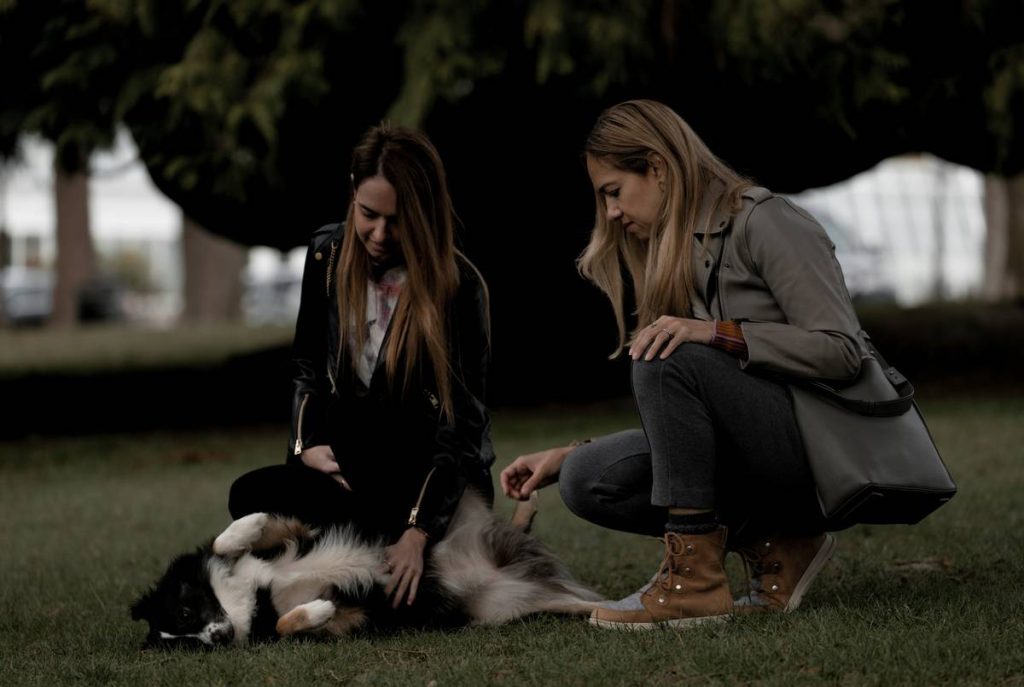
Rescue dogs arrive with fractured trust, hidden trauma, and inconsistent backgrounds. Yet most “training teams” operate like solo freelancers sharing a kennel—not a coordinated unit. The result? Mixed signals, regression, and burnout. Real progress demands more than good intentions—it requires dog rescue team training built on shared language, synchronized timing, and mutual accountability.
Why Standard Training Methods Collapse in Team Environments
Positive reinforcement works—until Sarah uses a clicker while Mike relies on verbal praise and Lena rewards with food. To the dog, this isn’t consistency. It’s chaos. And confusion breeds anxiety, not obedience.
Dogs don’t generalize well across handlers unless cues, rewards, and consequences are identical in timing, tone, and technique. Most volunteer-driven rescue groups lack standardized protocols. So each interaction becomes an uncontrolled variable.
Worse, emotional fatigue leads to unconscious drift. One handler says “no” sharply after a bad day. Another ignores jumping because they’re exhausted. The dog learns: rules change with the person. Not safety—but unpredictability.
dog rescue team training: A Step-by-Step Framework for Cohesion
Phase 1: Establish a Single Behavioral Vocabulary
Ditch personal preferences. Agree on exact cue words (“sit,” not “down please”), hand signals, and reward types per behavior. Document it. Print it. Tape it to every crate.
And never assume “everyone knows.” Test comprehension quarterly with live demos—blindfolded handlers guessing what their teammate just cued reveals shocking gaps.
Phase 2: Calibrate Emotional Baselines
Stress is contagious—to dogs and humans. Implement a pre-shift check-in: a 60-second huddle where each member rates their emotional bandwidth (1–5). Anyone below 3 rotates to non-training roles that day.
This isn’t therapy. It’s operational hygiene. A dysregulated human cannot regulate a traumatized dog.
Phase 3: Rotate Handlers Strategically
Don’t rotate randomly. Use a structured exposure ladder. Day 1: primary handler only. Day 3: secondary joins with mirrored actions. Day 7: tertiary introduced during low-stress tasks (leash walks, not recall drills).
The goal isn’t familiarity—it’s predictability through redundancy.
| Training Protocol Element | Fragmented Approach (Common) | Cohesive dog rescue team training (Recommended) |
|---|---|---|
| Cue Consistency | Mixed verbal/hand signals; personalized phrasing | One written standard; mandatory adherence |
| Reward Timing | Variable (0–3 sec delay common) | Max 0.5-second window; practiced via metronome drills |
| Correction Method | Ad-hoc “no,” timeouts, or ignoring | Only neutral interrupters (e.g., “uh-uh” + redirection) |
| Progress Tracking | Mental notes or scattered apps | Shared digital log with photo/video evidence per session |


The Industry Secret No One Talks About: The 72-Hour Handoff Window
Here’s what shelter logs hide: behavioral regression spikes between days 2 and 5 post-handoff—not immediately. Why? The dog initially suppresses behavior out of shock. By hour 72, they’ve mapped the new environment’s weaknesses.
Elite teams exploit this. They schedule overlapping shifts during this critical window: the outgoing handler shadows the incoming one for two full sessions. Not to teach—but to silently co-regulate. Their mere presence lowers the dog’s cortisol enough to prevent testing boundaries.
Think about it. You’re not transferring a dog. You’re transferring trust. And trust doesn’t teleport—it bridges.
Frequently Asked Questions
How many handlers should work with one rescue dog?
Ideally 2–3 consistent handlers max during initial rehab. More creates signal noise. Rotate only after baseline behaviors stabilize across all handlers.
Can volunteers without formal training join dog rescue team training?
Yes—but only after passing a standardized competency drill. Shadowing isn’t optional. Certify consistency before granting solo handling privileges.
What’s the biggest mistake rescue teams make in group training?
Prioritizing speed over synchronization. Rushing to “graduate” dogs leads to relapse. Mastery means the dog responds identically whether Handler A or Z gives the cue.