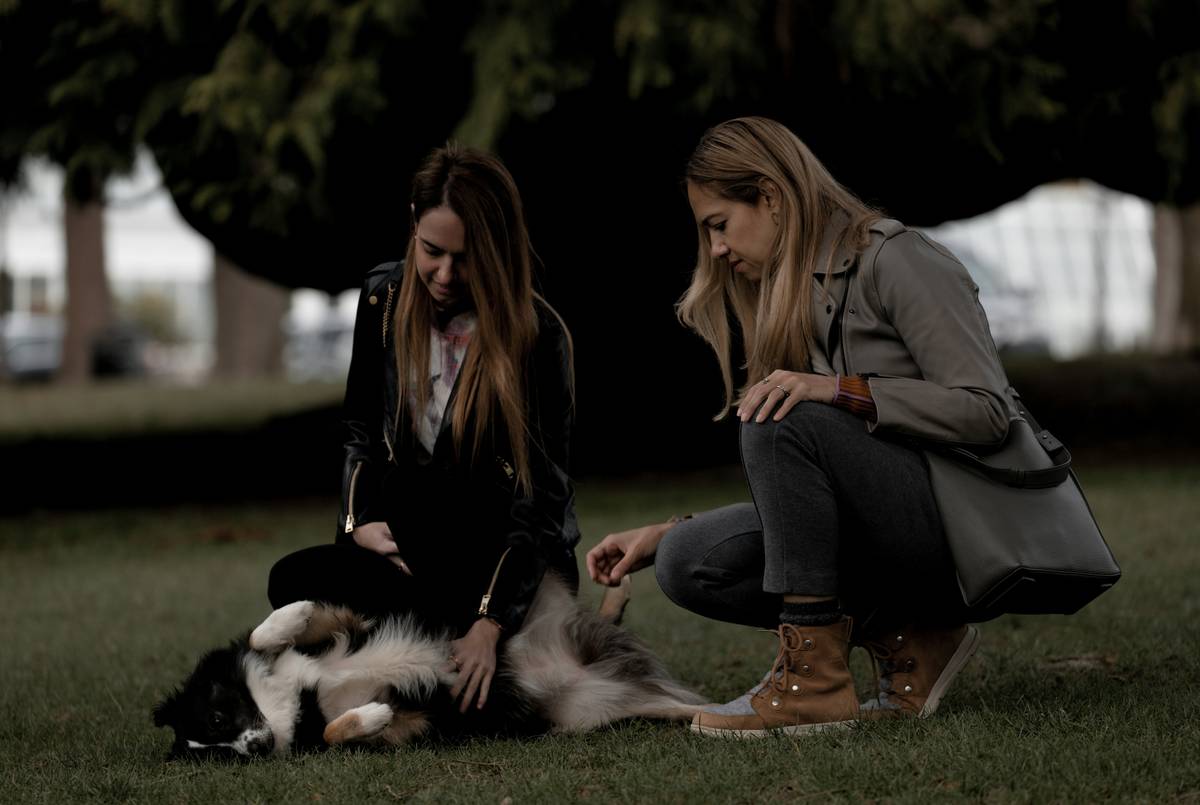
Most rescue dog training teams flounder—not from lack of heart, but from fractured communication. Trainers, fosters, and handlers work in silos. Mistakes repeat. Progress stalls. The dog pays the price. But there’s a fix borrowed from special ops, not kennels: the team after-action review. It’s not about blame—it’s about rapid, collective learning that sticks.
Why Traditional Rescue Dog Training Falls Apart
Standard protocols assume consistency. Real rescue dogs? They’re survivors of chaos—each with trauma signatures as unique as fingerprints. Yet teams run cookie-cutter obedience drills and wonder why reactivity spikes.
And worse: debriefs happen over coffee, not structured reflection. Critical cues get lost. One trainer sees leash aggression; another interprets it as fear shutdown. Without alignment, interventions contradict each other.
Think about it. You wouldn’t send firefighters into a blaze without a post-mission sync. Why treat behavioral triage any differently?
Implementing Team After-Action Review for Rescue Dogs
The power lies in rhythm—not rigor. A tight 15-minute ritual after every major training session or behavioral incident. Not paperwork. Conversation with purpose.
Step 1: Freeze the Timeline
Gather everyone who interacted with the dog in the past 48 hours. Trainer, foster, volunteer walker—no roles excluded. Start by reconstructing events chronologically. Not “what should’ve happened,” but “what actually happened.”
Step 2: Ask Four Brutally Simple Questions
1. What was our intended outcome?
2. What actually occurred?
3. Why did reality diverge from plan?
4. What will we change next time?
No jargon. No defensiveness. Just facts and adjustments.
Step 3: Document Micro-Adjustments Only
Forget 10-page behavior logs. Capture only the actionable tweaks: “Reduce trigger exposure by 20% during morning walks” or “Use peanut butter distraction before doorbell.” Small changes compound fast.
| Review Frequency | Participants Required | Average Time Commitment | Behavioral Relapse Rate (30-Day) |
|---|---|---|---|
| Never / Ad hoc | Only lead trainer | 0 min | 68% |
| Weekly | Trainer + foster | 25 min | 42% |
| After every key session | All direct contacts | 12–18 min | 23% |

The Industry Secret: Behavioral Autopsies Prevent Burnout Too
Here’s what nobody admits: high turnover in rescue work isn’t just emotional fatigue. It’s frustration from invisible progress. The team after-action review creates visible momentum—even on hard days.
When a formerly shut-down dog makes eye contact during a session, the review captures that win collectively. Foster feels seen. Trainer validates intuition. Volunteer understands their role mattered. This isn’t fluff—it’s retention engineering.
And—critically—it surfaces mismatched expectations early. One handler thinks “success” is off-leash recall; another prioritizes crate tolerance. Without alignment, both feel like failures. The review exposes these gaps before resentment builds.
Frequently Asked Questions
What’s the difference between a team after-action review and a regular staff meeting?
A staff meeting plans forward. An after-action review dissects the immediate past with surgical precision—focused solely on behavioral response patterns in one dog.
Can volunteers participate meaningfully in these reviews?
Absolutely. Their frontline observations—like how the dog reacts to delivery trucks or children’s voices—are often the missing puzzle pieces professionals overlook.
How soon after an incident should the review happen?
Within 24 hours. Memory degrades fast. Emotions cool. But the neural imprint of the dog’s reaction is still fresh enough to analyze accurately.