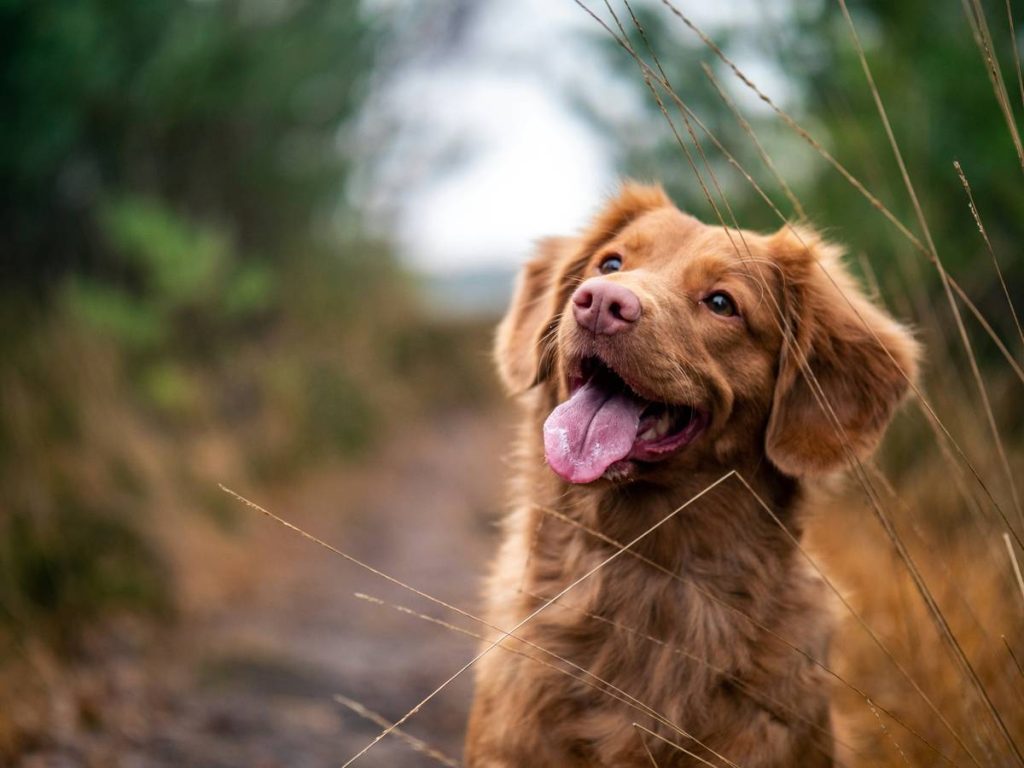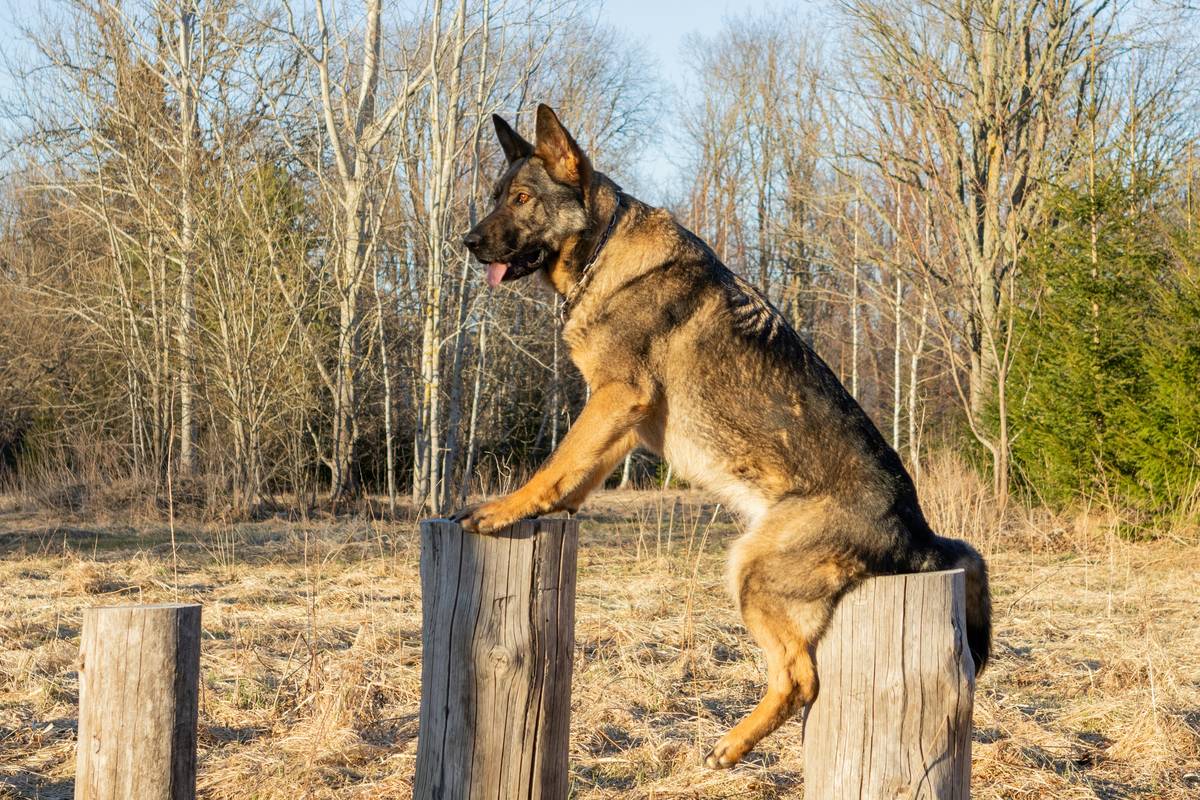
Ever watched a rescue dog lock onto a scent trail with laser focus and wondered how they do it—or why your own pup seems distracted by every leaf and squirrel? You’re not alone. Scent tracking rescue dogs aren’t born experts; they’re carefully trained using methods that honor their past trauma while unlocking their natural abilities. In this guide, we’ll walk through the science-backed, field-tested approaches to building reliable scent detection skills in rescue dogs—without repeating the errors that set many well-meaning owners back months.
Table of Contents
- Why Scent Tracking Matters for Rescue Dogs
- Step-by-Step Guide to Training
- Best Practices and Pro Tips
- Real-World Success Stories
- Frequently Asked Questions
- Rescue dogs often have heightened olfactory sensitivity due to survival instincts—making them excellent candidates for scent work.
- Start with low-distraction environments and build complexity gradually to avoid overwhelming your dog.
- Never punish false alerts; instead, use positive reinforcement to shape desired behavior.
- Consistency beats intensity—short, daily sessions outperform marathon weekend drills.
Why Scent Tracking Matters for Rescue Dogs
For many rescued canines, especially those from shelters or hoarding situations, the world feels chaotic and unpredictable. Scent work provides structure, mental stimulation, and a sense of purpose that can dramatically reduce anxiety and destructive behaviors. According to the American Kennel Club, dogs possess up to 300 million olfactory receptors—compared to our paltry 6 million—meaning their perception of reality is deeply rooted in smell. Leveraging this natural strength through scent tracking rescue dogs training isn’t just fun; it’s therapeutic.
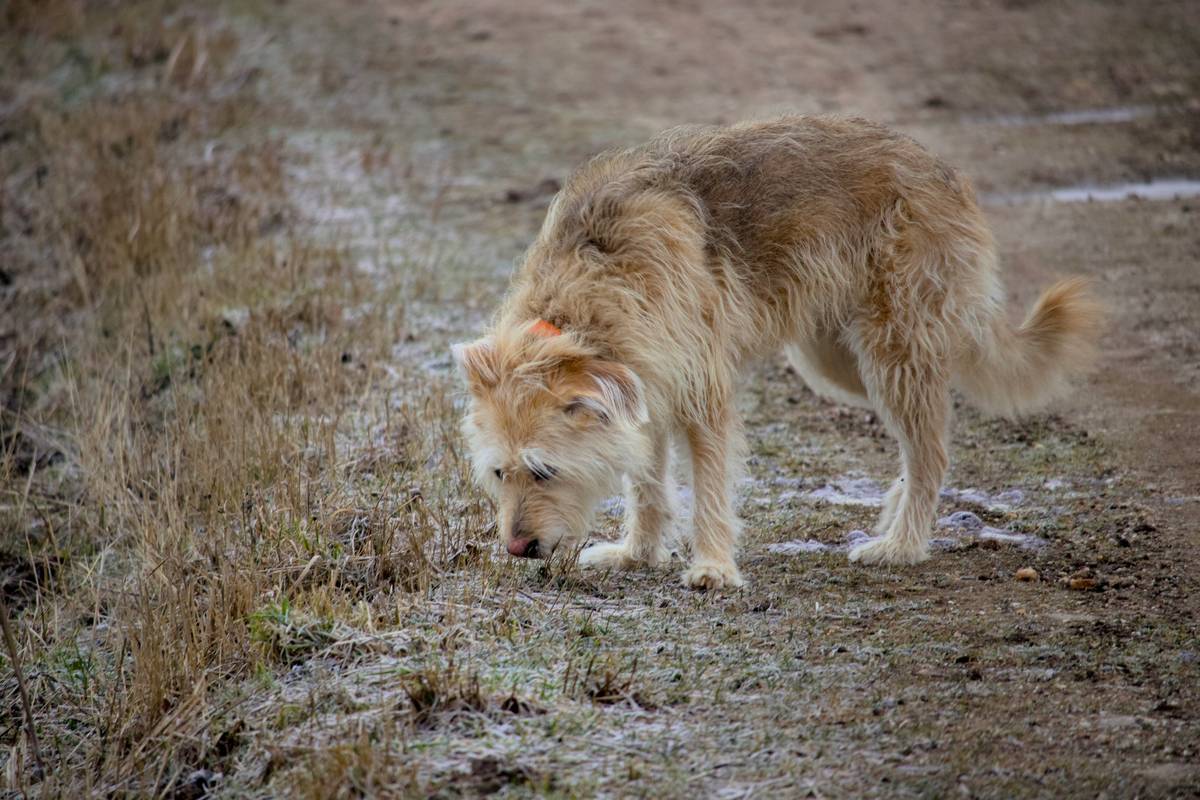
I learned this the hard way. Years ago, I adopted Max, a nervous terrier mix who’d flinch at doorbells. Eager to “fix” him, I threw him into advanced scent games too soon. Result? He associated the activity with pressure, not play—and shut down completely. It took three months of rebuilding trust before he’d even sniff a target article again. Don’t be like me: start slow, celebrate tiny wins, and let the dog lead.
Step-by-Step Guide to Training
1. Build Foundational Trust
Before introducing scents, ensure your dog feels safe with you. Spend time on leash walks, hand-feeding, and calm bonding exercises. Without trust, no amount of technique will stick.
2. Introduce Target Scents Gradually
Choose one essential oil (like birch or anise) as your “target.” Dab a tiny amount on a cotton swab, hide it in an open box, and reward your dog the moment they show interest. Keep sessions under 5 minutes.
3. Add Distance and Difficulty
Once your dog reliably finds the scent in a box, move it to the floor, then outdoors on short grass. Increase distance incrementally—never more than 10% per session.
4. Teach a Clear Alert Behavior
Decide on a final response: sit, freeze, or paw. Consistently reward only when the dog performs this behavior at the source. This creates reliability during real searches.
Best Practices and Pro Tips
- Avoid food rewards near scent articles—they can mask target odors. Use toys or verbal praise instead.
- Train in varied weather; rain enhances scent dispersion, while wind requires directional awareness.
- Track progress in a journal. Note distractions, duration, and emotional state—not just success rate.
- Never skip warm-ups. Just like athletes, dogs need 2–3 easy “wins” before tackling harder trails.
And here’s a terrible tip you’ll hear sometimes: “Just throw the dog into the woods and let them figure it out.” Nope. That’s not training—it’s abandonment disguised as instinct trust. Always supervise and scaffold learning.
Real-World Success Stories
In 2022, a study published by the University of Florida’s Canine Cognition Lab found that shelter dogs trained in basic scent detection showed a 40% reduction in stress-related behaviors within six weeks. One participant, Luna—a former stray from Texas—went on to assist in search-and-rescue simulations after just four months of structured scent tracking rescue dogs protocols.
Beyond data, consider local impact. Organizations like Search and Rescue Dogs of the United States (SARDUS) regularly integrate rescue dogs into operational teams, proving these animals aren’t “second-best”—they’re uniquely resilient. Their survival backgrounds often translate into grit and focus that purebreds lack.
Frequently Asked Questions
Can any rescue dog learn scent tracking?
Most can, but suitability depends on temperament, health, and drive. A vet check and basic obedience foundation are essential first steps.
How long does it take to see results?
Basic scent association often clicks in 2–4 weeks. Reliable field performance typically takes 6–12 months of consistent practice.
Do I need special equipment?
Start with cotton swabs, essential oils, and containers. Advanced gear (like drag lines or scent boxes) comes later. Check our About Us page to see how our team began with minimal tools too.
Is scent work stressful for anxious dogs?
When introduced properly, it’s calming. But if your dog freezes, pants excessively, or avoids the area, pause and consult a certified trainer.
Where can I get certified?
Organizations like NASDA (National Association of Scent Work Detection Associations) offer standardized titles and testing.
What if my dog loses interest?
Backtrack to easier tasks and rekindle joy. Remember: this is teamwork, not a test. We’ve seen countless turnarounds—reach out via our Contact Us form if you’re stuck.
If you share details about your dog’s journey, we’ll help tailor advice—while respecting your privacy per our Privacy Policy.
Training scent tracking rescue dogs isn’t about creating perfect performers—it’s about giving second-chance souls a language to express their brilliance. So grab that cotton swab, drop your expectations, and follow your dog’s nose. The trail begins where trust meets curiosity.