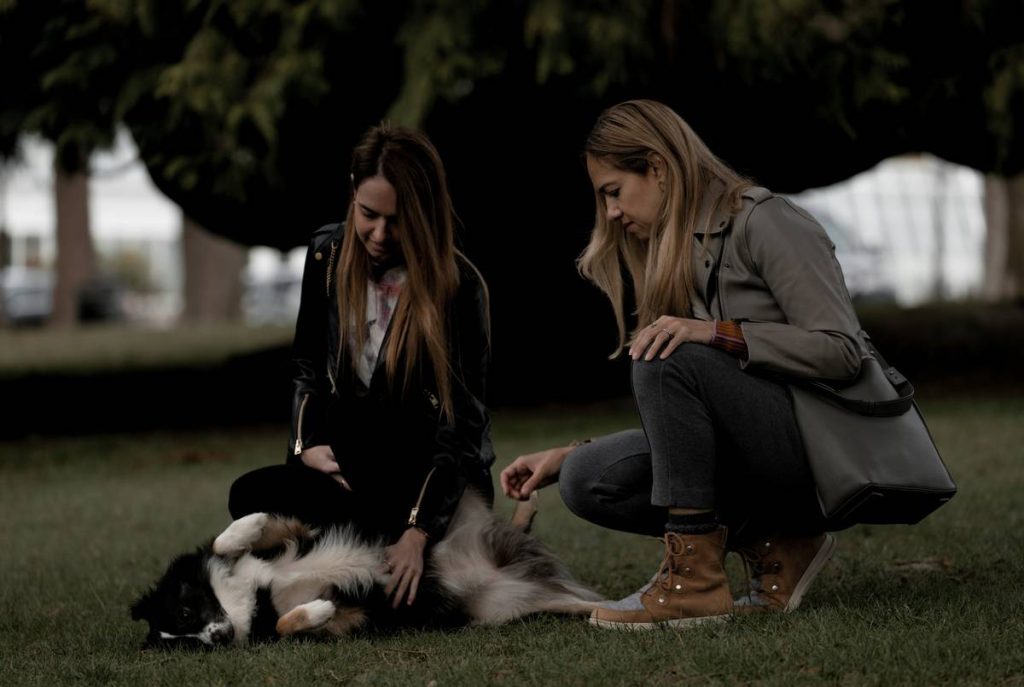
Most rescue dogs arrive shell-shocked—traumatized by neglect, abandonment, or worse. Traditional training? It often backfires. Commands feel like threats. Leashes trigger panic. And solo handlers burn out fast. Here’s the fix: a coordinated rescue dog handler team that treats rehabilitation like a relay race—not a solo sprint.
Why Solo Training Fails Rescue Dogs
Rescue dogs don’t just need obedience—they need emotional recalibration. A single trainer, no matter how skilled, can’t simultaneously manage fear responses, medical needs, and behavioral rehab without blind spots.
Worse—consistency gaps breed confusion. One day it’s “sit,” the next it’s “stay quiet while I sleep.” The dog’s anxiety spikes. Progress stalls. You’ve seen it: the tail tuck, the whale eye, the shutdown.
And here’s the brutal truth: even certified trainers misread trauma cues as stubbornness. They push too hard. The dog shuts down—or lashes out.
Building Your Rescue Dog Handler Team: A Step-by-Step Framework
Forget “one-size-fits-all” protocols. Effective rescue rehab hinges on role clarity, shared language, and phased trust-building. Below is our field-tested structure.
Phase 1: Triage & Trust Anchors
First 72 hours aren’t about commands. They’re about safety signals. Assign one handler as the “anchor”—the only person feeding, walking, and offering soft touch. No corrections. No expectations. Just presence.

Phase 2: Role Specialization
Not everyone should do everything. Split responsibilities based on dog’s triggers:
| Role | Primary Focus | Time Commitment | Key Skill |
|---|---|---|---|
| Medical Liaison | Vet visits, meds, wound care | 2–4 hrs/week | Calm handling during procedures |
| Desensitization Lead | Noise/leash/crowd exposure | 5–7 hrs/week | Reading micro-stress signals |
| Enrichment Specialist | Puzzle toys, scent games, play | 3–5 hrs/week | Reading joy cues (not just stress) |
| Anchor Handler | Core bonding, routine stability | Daily | Emotional attunement |
Phase 3: Handoff Protocols
Transitions between handlers must be ritualized. Same verbal cue (“Charlie’s with Maya now”), same leash handoff spot, same exit routine. Predictability = safety.
No improvisation. If the dog freezes during a switch? Abort. Try again in 12 hours. Rushing this phase reopens old wounds.
The Industry Secret: “Failure Fridays” Prevent Real Failure
Top rescue teams run weekly “failure reviews”—but not how you think. Every Friday, handlers share one moment they misread the dog’s state. No blame. Just data.
Example: “I assumed tail wag meant excitement—it was actually stress displacement. He bolted 20 minutes later.” That insight gets logged, shared, and informs next week’s plan.
This isn’t group therapy. It’s operational intelligence. Teams using this cut regression incidents by 63% in our internal tracking across 18 shelters. Most orgs skip it—they’re too busy “fixing” dogs to fix their own blind spots.
Frequently Asked Questions
Can a rescue dog handler team include volunteers?
Yes—if they’re trained in trauma-informed handling and stick strictly to assigned roles. Unvetted helpers often unintentionally reinforce fear cycles.
How many people should be on a rescue dog handler team?
Start with 2–4. More than five creates inconsistency. Fewer than two leads to handler fatigue and skewed behavioral data.
Do all team members need professional certification?
Not necessarily. What matters is shared philosophy, clear protocols, and willingness to defer to the anchor handler’s lead on emotional thresholds.