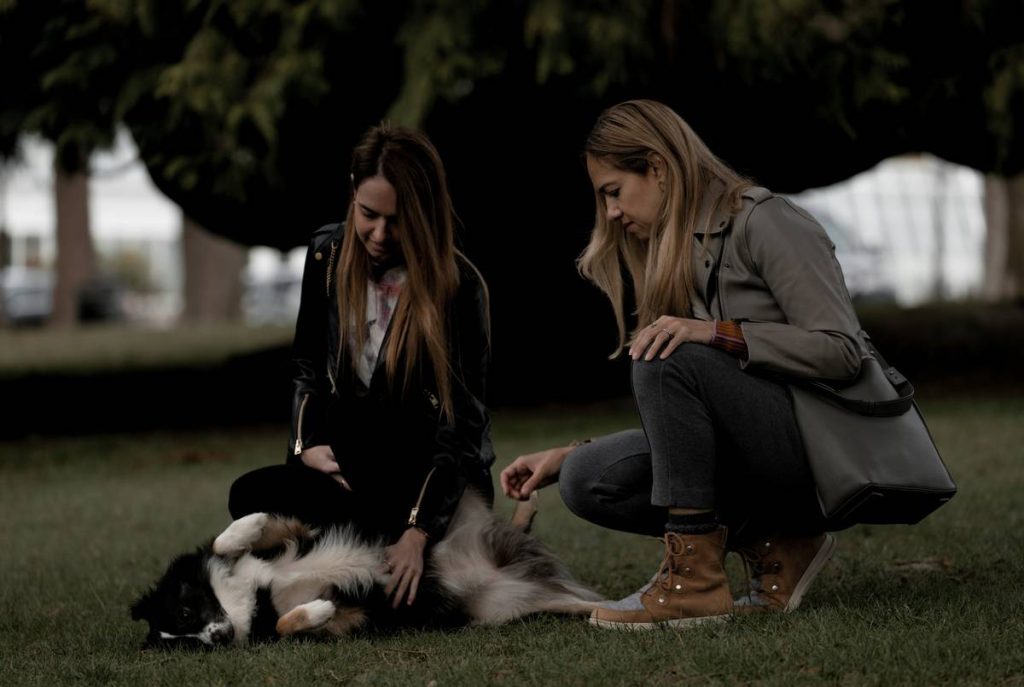
You adopt a rescue dog full of hope. Within weeks, chaos unfolds. Barking at shadows. Bolting on walks. Snarling over food. You’ve tried treats, timeouts, even group classes—nothing sticks. Here’s the gut punch: your dog isn’t broken. Your team is. Without aligned human behavior, even the gentlest rescue will flounder. The fix? Intentional team dynamics rescue dogs actually respond to.
Why Standard Training Fails Rescue Dogs (And Fractures Your Household)
Most pet owners treat training as a solo mission. Big mistake. Rescue dogs arrive with trauma histories that react not just to commands—but to inconsistency. One family member uses “sit” before meals; another tosses kibble freely. Dad allows couch-jumping; Mom scolds it. That confusion screams danger to a dog rewired by instability.
And it gets worse. Mixed signals don’t just confuse—they erode trust. Fast. Your pup isn’t “stubborn.” They’re waiting for humans to stop contradicting each other. Until coordination kicks in, progress stalls.
Building Cohesive Team Dynamics Rescue Dogs Respond To
Forget “obedience.” Focus on unified behavioral patterns. Everyone in the household must operate from the same playbook—not just in word, but in timing, tone, and consequence.
Assign Clear Roles Based on Strengths
Not everyone needs to be the “trainer.” Maybe one person excels at calm leash work. Another has the patience for crate desensitization. Distribute tasks by skill—not guilt or assumption. Clarity breeds consistency.
Daily Micro-Check-Ins (30 Seconds Max)
Before dinner, ask: “Did Luna take food gently today?” “Any lunging on walks?” These aren’t critiques—they’re alignment pulses. Catch mismatches early. Adjust fast. No meetings. No drama. Just shared awareness.
Use Shared Cues—Verbal AND Nonverbal
Standardize hand signals alongside voice commands. A flat palm for “wait.” Open hands for “come.” Rescue dogs often process visual input faster than auditory—especially if past abuse involved raised voices. Make your body language part of the team protocol.
| Team Coordination Method | Time Commitment | Impact on Rescue Dog Stress Levels | Risk of Regression |
|---|---|---|---|
| Ad-hoc individual training (no sync) | 5–10 min/day per person | High (confusion, hypervigilance) | Very High |
| Weekly family training sessions | 30 min/week + practice | Moderate (predictability improves slowly) | Moderate |
| Daily 30-second check-ins + role assignment | Under 5 min/day total | Low (rapid trust-building) | Low |

The Industry Secret Nobody Talks About: Conflict Mirroring
Here’s what top shelter rehabbers never post online: rescue dogs don’t just notice human disagreements—they mimic them. Two caregivers arguing about training methods? Your dog may start resource-guarding between them. Tension during feeding time? Expect food aggression to spike. It’s not coincidence. It’s emotional mirroring.
One case I observed: a terrier mix began growling only when both partners were home together—never when alone with either. The trigger wasn’t the people. It was the unresolved friction in their coordination. Once they synchronized routines and dropped the debate over “who’s right,” the guarding vanished in 11 days. The math is simple: stable humans = stable dogs.
FAQ
How do you handle disagreements about training methods within the household?
Pick one approach for 30 days—no exceptions. Test it fairly. Defer to the person with the most hands-on rehab experience, not the loudest opinion.
Can kids be part of the training team?
Absolutely—but assign age-appropriate roles. Toddlers can offer calm praise; teens can practice leash walks. Never let children correct fear-based behaviors unsupervised.
What if one family member refuses to participate?
Isolate their interactions. Keep untrained humans on “observer status” during critical routines (feeding, door exits). Better limited consistency than active contradiction.