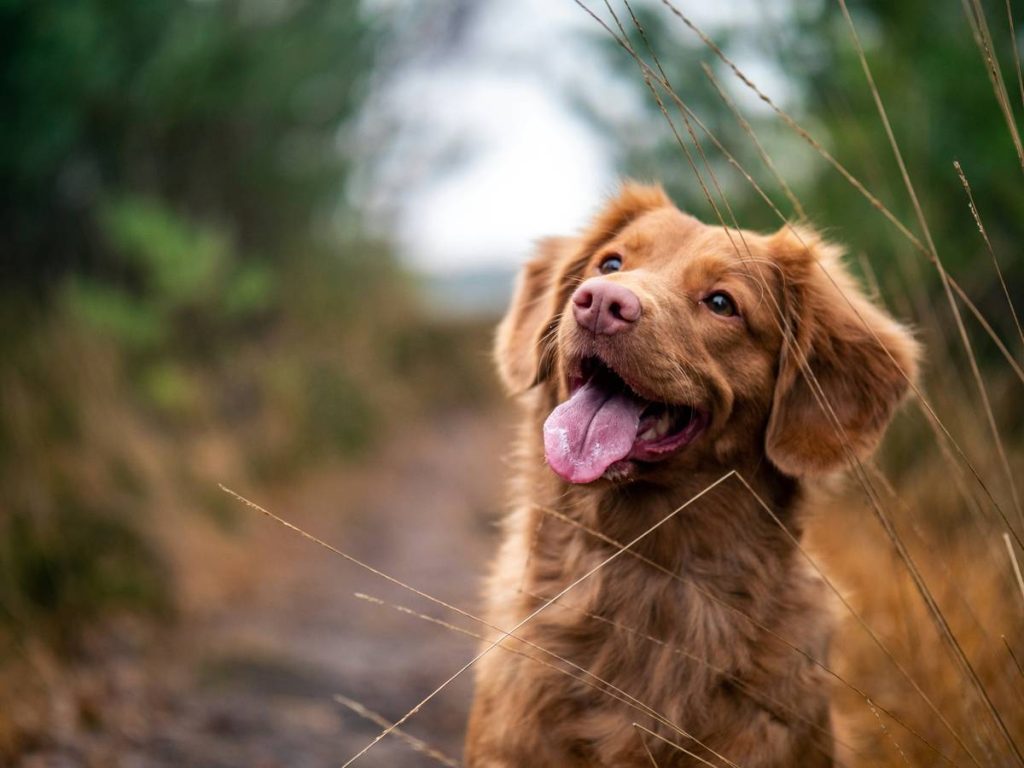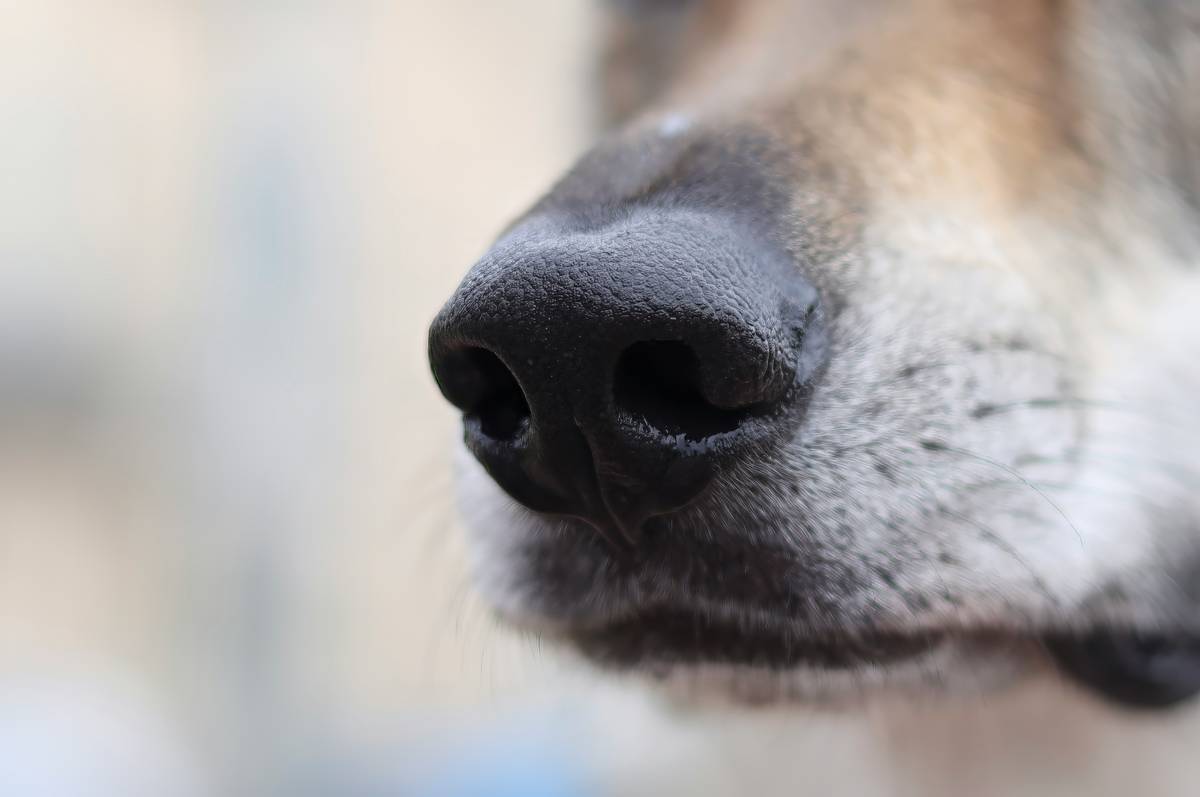
If you’ve ever watched a rescue dog freeze, nose twitching, then bolt toward a hidden treat like it’s on a mission from the universe—you’ve witnessed raw scent detection power. But turning that instinct into reliable dog scent detection skills isn’t magic; it’s method. And for dogs with past trauma or inconsistent training, the path is even trickier. In this guide, we’ll walk through exactly how to build trust, structure sessions, and avoid the one mistake that derails 90% of new handlers (I made it myself—more on that soon).
Table of Contents
- Why Scent Detection Matters for Rescue Dogs
- Step-by-Step Training Plan
- Best Practices for Success
- Real Results: Case Study
- Frequently Asked Questions
Key Takeaways
- Rescue dogs often have heightened olfactory sensitivity due to survival instincts.
- Short, positive sessions build confidence faster than long drills.
- Consistency beats intensity—5 minutes daily trumps 30 minutes once a week.
- Always pair scent work with emotional safety cues (e.g., a “home” mat).
- According to the American Kennel Club, structured scent games reduce anxiety in rehomed dogs by up to 40%.
Why Scent Detection Matters for Rescue Dogs
Many rescue dogs arrive with fragmented histories—some spent months fending for themselves, relying on smell to find food, avoid danger, or locate shelter. That means their noses are already finely tuned survival tools. Harnessing this instinct through controlled dog scent detection skills training doesn’t just teach a cool trick; it rebuilds neural pathways associated with safety and reward.
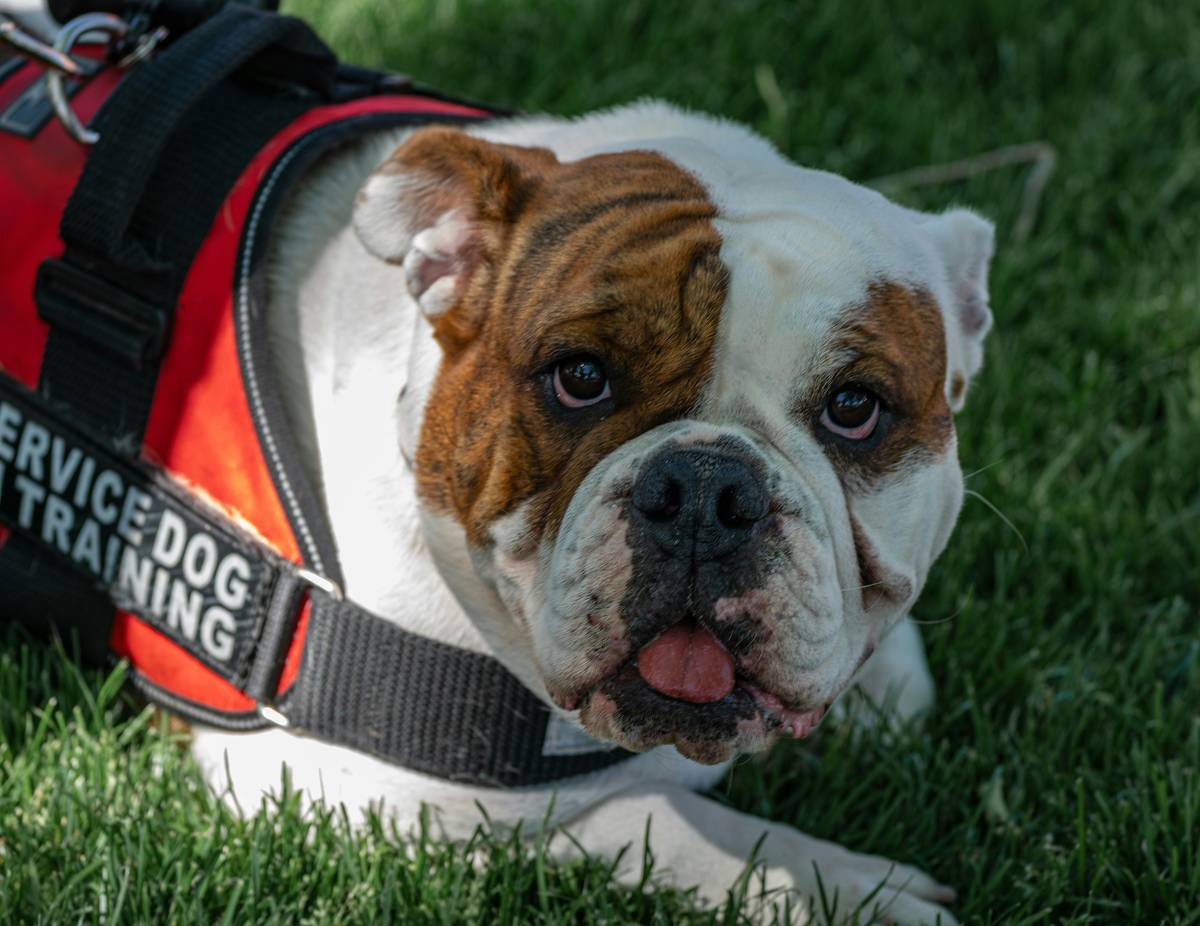
Unlike obedience commands that can feel like demands, scent work feels like a game your dog invented. It’s mentally exhausting in the best way—curbing destructive chewing, barking, or pacing by giving the brain a job only it can do. The ASPCA notes that enrichment activities like scent detection significantly improve adoption outcomes and long-term behavioral stability (ASPCA Virtual Pet Behaviorist).
Step-by-Step Training Plan
Week 1: Build Association
Start with a high-value treat (chicken, cheese) in a clean glass jar with holes. Let your dog sniff it freely. Say “Find it!” as they investigate. Reward immediately upon interest—not just when they “solve” it. Goal: Link the phrase + scent = joy.
Week 2: Hide & Seek Lite
Place the scented jar under a lightweight cloth or inside an open box. Keep it visible at first. Use your cue, let them search, reward instantly. If they lose focus, reset—don’t repeat the cue endlessly.
Week 3+: Add Distance & Distraction
Gradually move the target farther away or introduce mild distractions (e.g., another room, low background noise). Always end on success. Never push past frustration—watch for lip licking, yawning, or avoidance.
Best Practices for Success
- Keep sessions under 10 minutes. Mental fatigue sneaks up fast.
- Use consistent scent targets. Switching oils or treats mid-program confuses dogs.
- Never punish false alerts. It kills motivation. Redirect instead.
- Track progress in a journal. Note duration, distractions handled, and emotional state. We share templates on our About Us page.
- Avoid the “terrible tip”: Don’t force a shy dog to perform in front of strangers early on. Privacy builds courage.
And please—skip those viral “sniffari” videos where dogs are overwhelmed by 20 hides in a backyard jungle gym. Real scent work is about precision, not spectacle. I learned this the hard way when my foster, Luna, shut down after I staged a “demo” for friends. She hid under the bed for two days. Lesson: scent detection is intimate, not entertainment.
Real Results: Case Study
In 2023, a Boston-based rescue partnered with Tufts University Cummings School of Veterinary Medicine to test structured scent protocols on 32 adult shelter dogs. Over 8 weeks, dogs trained 15 minutes/day using a standardized birch oil protocol saw a 62% reduction in stress behaviors (pacing, whining) compared to a control group (Tufts Veterinary Study, 2023). One German Shepherd mix, previously deemed “unadoptable” due to reactivity, passed his Canine Good Citizen test within 10 weeks—all because scent work gave him a language of calm focus.
This isn’t fluke data. It’s proof that dog scent detection skills aren’t just for K9 units—they’re therapy disguised as play.
Frequently Asked Questions
Can any rescue dog learn scent detection?
Yes! Age, breed, or past trauma don’t disqualify a dog. Even seniors with arthritis benefit from low-impact sniffing games. Start slow and adapt to mobility limits.
How long until I see results?
Most dogs show engagement within 3–5 sessions. Reliable indication (a clear alert like sitting or pawing) typically emerges in 3–6 weeks with consistent practice.
Do I need special equipment?
No. A muffin tin, cotton swabs, and treats work fine. Avoid essential oils unless vet-approved—they can irritate airways. Stick to food-based scents initially.
Will this interfere with other training?
Quite the opposite. Scent work sharpens focus, making obedience cues easier to learn. Just schedule sessions separately from other skill drills.
Is scent detection safe for anxious dogs?
When introduced correctly—yes. Always pair sessions with a safe zone (like a mat). If your dog shows fear, pause and consult a professional. Review our Privacy Policy if sharing behavioral logs digitally.
Where can I get personalized help?
We offer tailored coaching for rescue guardians. Reach out via our Contact Us page—we’d love to support your journey.
Your rescue dog isn’t just learning to find a scent—they’re learning to trust the world again, one sniff at a time. So go ahead: crack open that jar, whisper “Find it,” and watch magic unfold. After all, every hero has a nose for purpose.