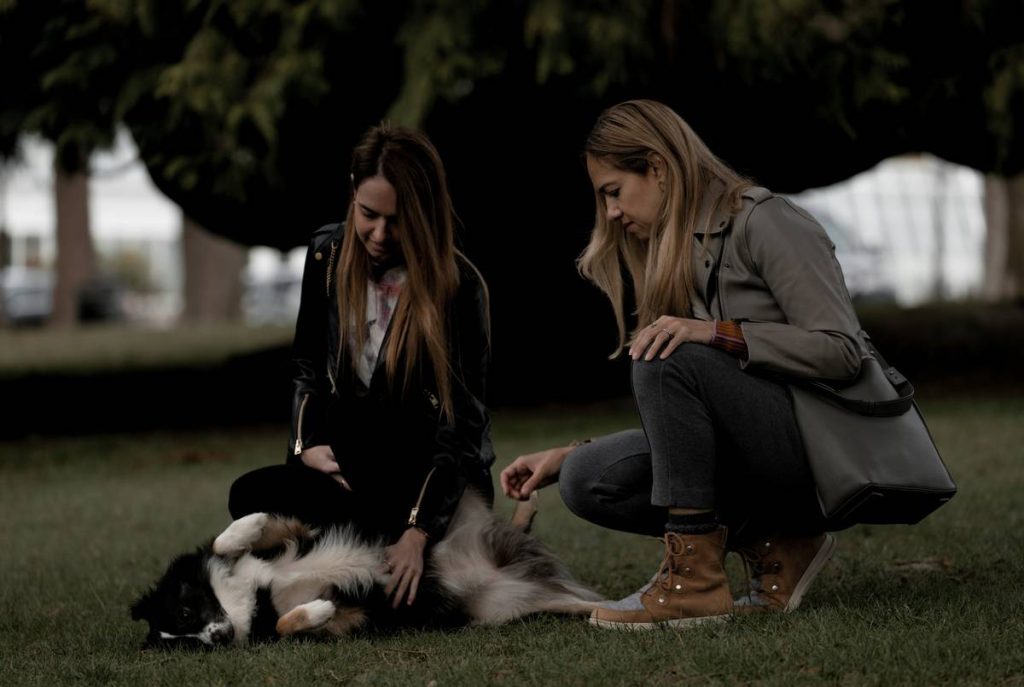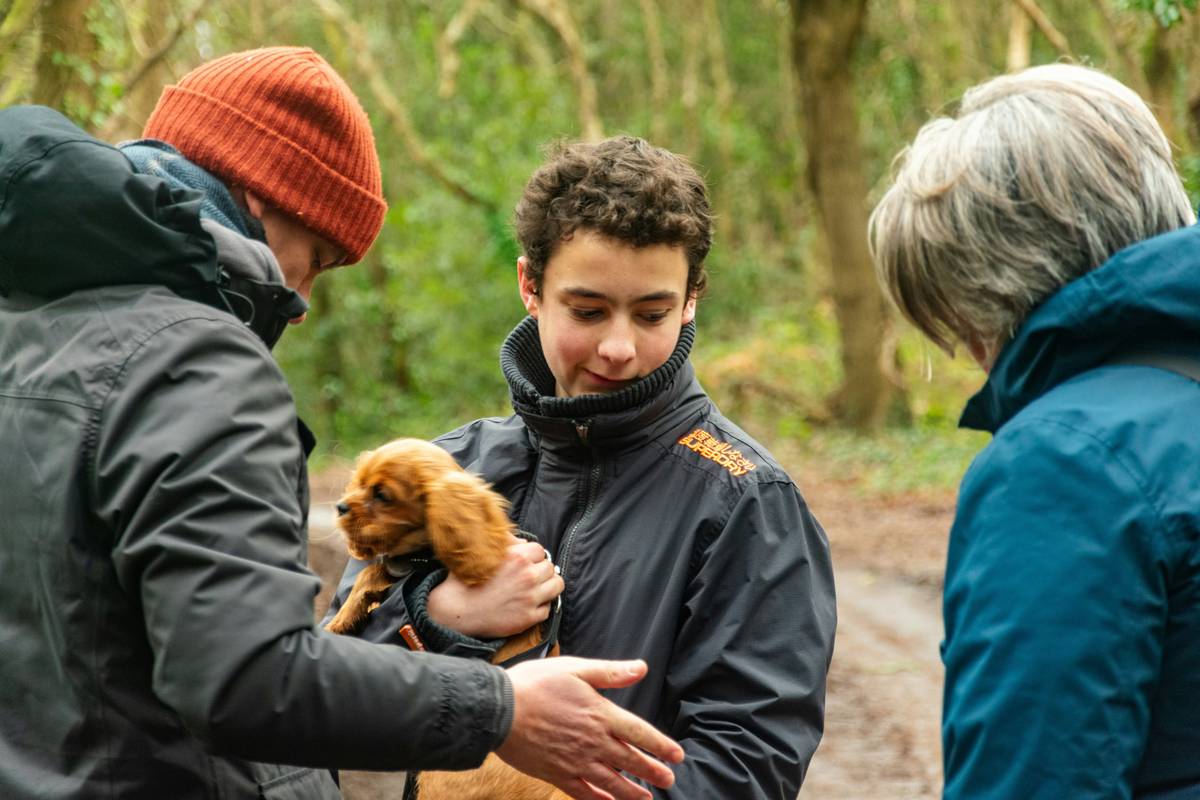
Ever shown up to a foster handoff only to find three volunteers, zero leashes, and a terrified pup hiding under a truck? You’re not alone. In the high-stakes world of rescue dog training, coordination isn’t just helpful—it’s the difference between trauma and transformation. This guide cuts through the noise with field-tested strategies for seamless dog rescue coordination, blending real-world experience with actionable protocols that actually work. We’ll walk through why disorganization derails rehabilitation, how to build bulletproof team workflows, and what most well-meaning rescuers get painfully wrong.
Table of Contents
- Why Dog Rescue Coordination Matters
- Your Step-by-Step Coordination Plan
- Best Practices for Rescue Teams
- Real Success Stories
- Frequently Asked Questions
Key Takeaways
- Poor dog rescue coordination directly undermines behavioral progress in rescued dogs.
- Clear role assignment and communication protocols prevent common onboarding disasters.
- Digital tools reduce miscommunication but must be paired with human empathy.
- Always involve veterinary and behavioral experts early—per ASPCA guidelines.
Why Dog Rescue Coordination Matters
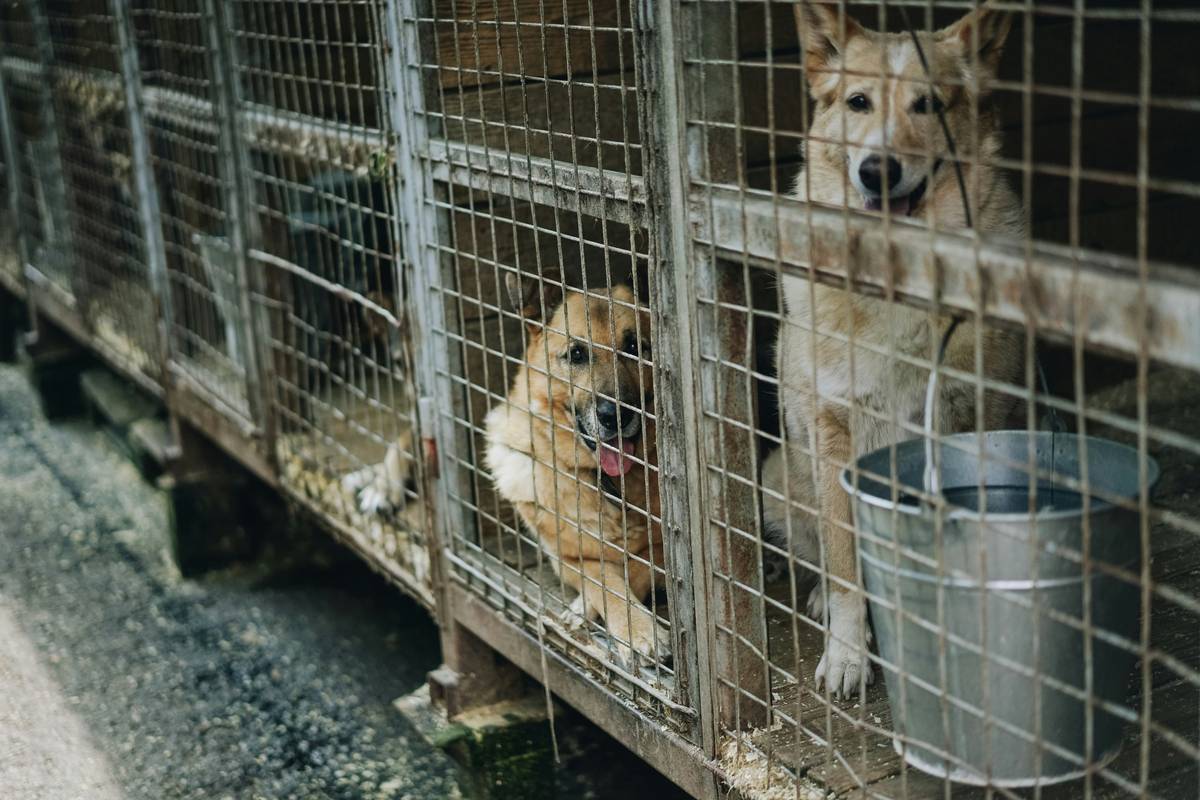
Rescued dogs arrive carrying invisible baggage: fear, confusion, sometimes aggression rooted in neglect. Without consistent handling from every human they meet, their trust fractures like dropped glass. According to the ASPCA, inconsistent routines are a leading cause of regression in newly placed rescue dogs (ASPCA Behavioral Assessment Guidelines). I learned this the hard way when “Baxter,” a sweet shepherd mix, bit my friend during a transport handoff—all because two volunteers gave conflicting commands within minutes. Chaos isn’t just messy; it retraumatizes.
Your Step-by-Step Coordination Plan
1. Pre-Intake Team Briefing
Before any dog arrives, gather all handlers (foster parents, trainers, transporters) for a 15-minute virtual huddle. Share known triggers, medical needs, and immediate goals. Document everything in a shared sheet—no verbal-only promises.
2. Assign Non-Negotiable Roles
Every dog needs one designated “primary handler” who oversees all interactions for the first 72 hours. Secondary roles (transport, supply runner, vet liaison) report to them. No freelancing.
3. Standardize Communication Channels
Ditch group texts. Use platforms like Slack or dedicated rescue apps where messages can’t vanish into 20-thread chaos. Set response-time expectations: “Urgent” = reply within 30 mins.
4. Conduct a Controlled First Handoff
Meet in quiet, neutral territory. Keep voices low, movements slow. The primary handler does all initial contact—others stand back unless directed. Film it if consent allows; review later for training.
Best Practices for Rescue Teams
- Never assume everyone knows “basic” cues. Run a 5-minute refresher on leash pressure, stress signals, and emergency protocols before each major transition.
- Beware the “hero syndrome.” That volunteer who insists on “fixing” the dog overnight? They often undo weeks of careful work. Redirect their energy to structured tasks like meal prep or toy rotation.
- Sync with professionals early. Contact your vet and a certified behaviorist before intake day. Many clinics offer discounted consults for rescues—leverage our About Us partnerships for referrals.
- Avoid this terrible tip: “Just throw the dog into group walks to socialize them!” Socialization without safety nets causes setbacks. Always prioritize controlled, positive exposures.
Real Success Stories
Take “Luna,” a malnourished pit bull mix seized from a hoarding case. Initial attempts at group fostering failed—she’d shut down completely when multiple people approached. Her rescue implemented strict dog rescue coordination: one handler per shift, color-coded cue cards for volunteers, and daily photo logs. Within three weeks, Luna began making eye contact. By week six, she passed her Canine Good Citizen test. Data from Petfinder Foundation shows coordinated rescues see 68% higher successful adoption rates versus ad-hoc efforts (Petfinder Foundation, 2023 Impact Report). Consistency isn’t boring—it’s lifesaving.
Frequently Asked Questions
What’s the biggest mistake in dog rescue coordination?
Assuming kindness equals competence. Well-intentioned but untrained handling can reinforce fear. Always pair empathy with education—and use our Contact Us form to request our free handler checklist.
How many people should handle a rescue dog initially?
Ideally, just one primary handler for the first 3–5 days. Additional trusted contacts can be slowly introduced using structured protocols.
Can digital tools replace in-person coordination?
No—they supplement. Apps track meds or schedules, but reading canine body language requires human presence. Never outsource observation.
Where can I learn proper rescue dog handling techniques?
The American Kennel Club’s S.A.F.E.R. assessment program offers free online modules (akc.org/s-a-f-e-r). Also review our Privacy Policy before submitting training inquiries.
Is dog rescue coordination different for puppies vs. adults?
Yes. Puppies need more frequent potty breaks and play sessions, while adults require clearer boundaries. Coordination plans must adapt—but core principles (consistency, single-point communication) remain.
How do I handle disagreements among team members?
Defer to the primary handler’s judgment during active care. Schedule debriefs post-crisis to refine protocols—not mid-handoff.
Great rescue work isn’t about lone heroes—it’s about harmonized humans moving as one nervous system for a dog who’s forgotten what safety feels like. Your coordination isn’t paperwork; it’s the architecture of trust. Ready to build it right? Reach out today—because no dog should fall through the cracks of good intentions.