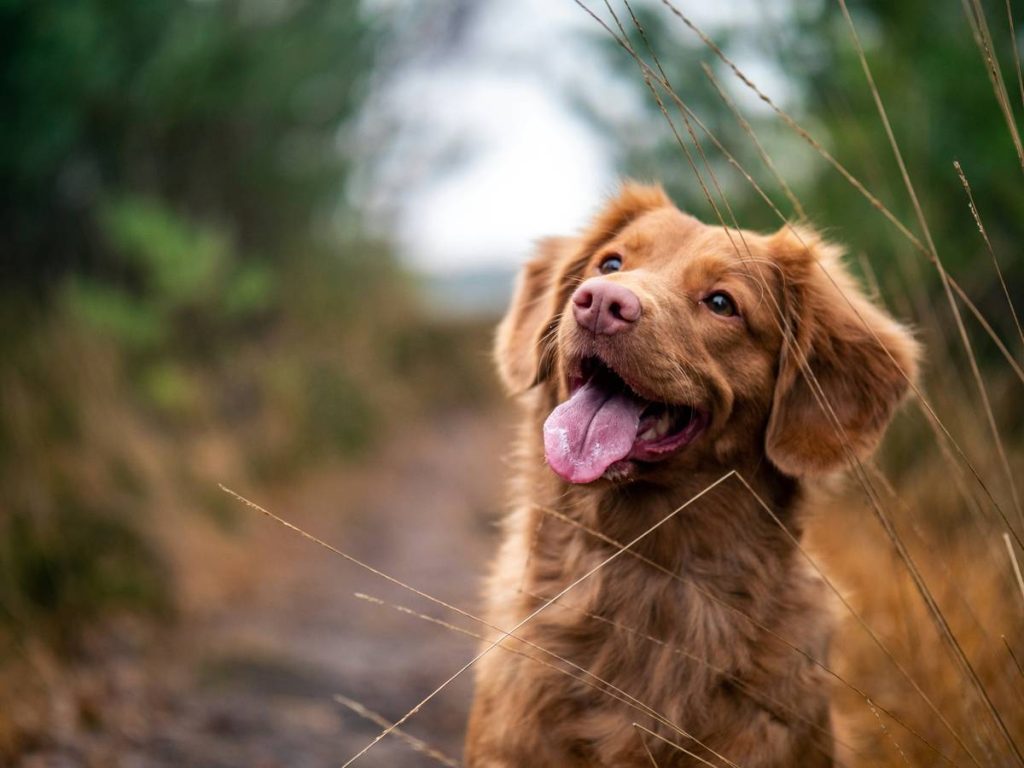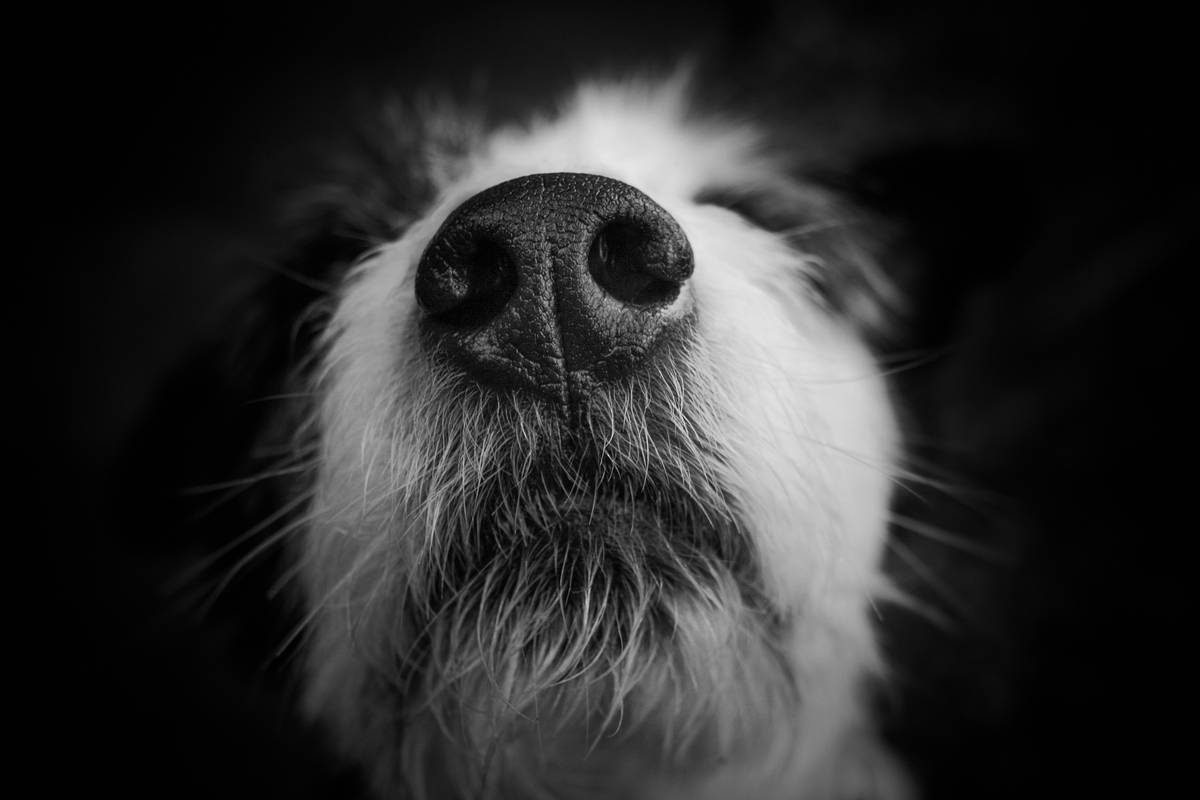
Most rescue dogs arrive with shattered confidence—and zero trust in human cues. Yet owners throw them into obedience drills or agility rings, ignoring the one superpower they already possess: their nose. This mismatch breeds frustration, regression, even rehoming. But what if you stopped forcing compliance and started harnessing instinct? Canine olfactory training isn’t just enrichment—it’s the fastest path to rebuilding a dog’s sense of purpose.
Why Traditional Training Fails Rescue Dogs
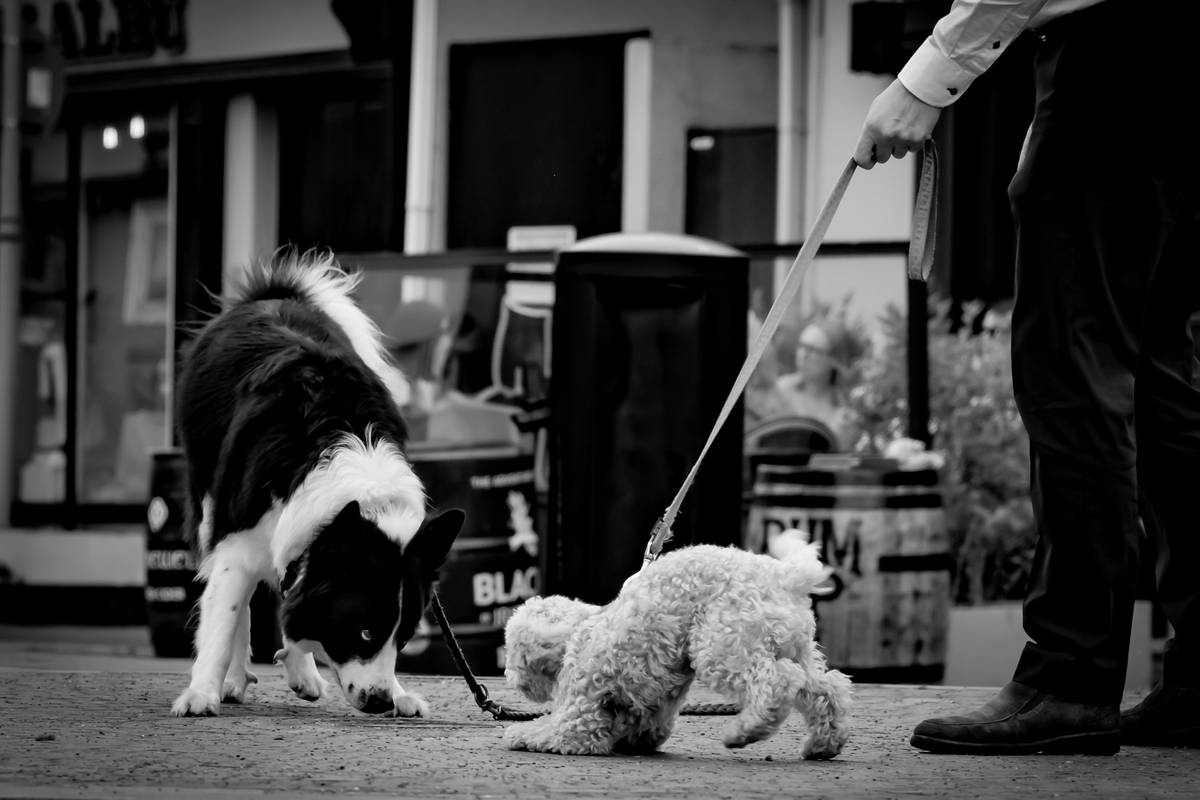
Rescue dogs aren’t blank slates. They’re survivors wired for hypervigilance—not sit-stays on command. Standard reward-based methods assume emotional availability. But trauma flips that script. Food bribes? Often ignored when anxiety screams louder than hunger. Leash corrections? Just confirm the world is unsafe.
Here’s the reality: forcing eye contact or heeling drills demands cognitive bandwidth these dogs don’t have. Their brains are stuck in survival mode—scanning for threats, not parsing “good boy.” And yet… their noses never shut off. Not once.
Canine Olfactory Training: A Step-by-Step Protocol for Rescues
Forget complex setups. Start where the dog already lives: in scent. The goal isn’t detection precision—it’s psychological recalibration through success.
Phase 1: Scent Is Safety
Choose one non-food item—like a worn cotton glove or a specific toy. Rub it with your hands. Let the dog sniff it freely. No commands. No pressure. Just let them investigate. Repeat twice daily for three days. You’re building a neutral anchor—not a task.
Phase 2: Hide-and-Succeed
Hide the item *in plain sight*—under a chair leg, behind a pillow. Say only “Find it” in a calm tone. If they glance toward it, click or say “Yes!” and let them retrieve it. No treats needed. The act itself is the payoff. Success rewires neural pathways faster than any biscuit ever could.
Phase 3: Controlled Complexity
Now add distance—but only if the dog initiates searching. Move the item slightly out of view. Keep sessions under 90 seconds. End on a win. Always. Missed attempts cement doubt. Wins build quiet confidence.
| Training Stage | Duration Per Session | Success Metric | Common Pitfall |
|---|---|---|---|
| Scent Familiarization | 2–3 minutes | Dog sniffs without backing away | Touching or pulling the dog toward the object |
| Passive Search | 60–90 seconds | Dog glances or moves toward hidden item | Repeating cues (“Find it! Find it!”) |
| Active Search | 2–3 minutes | Dog locates and picks up item | Increasing difficulty too fast |
The Industry Secret: Scent Work Heals Before It Trains
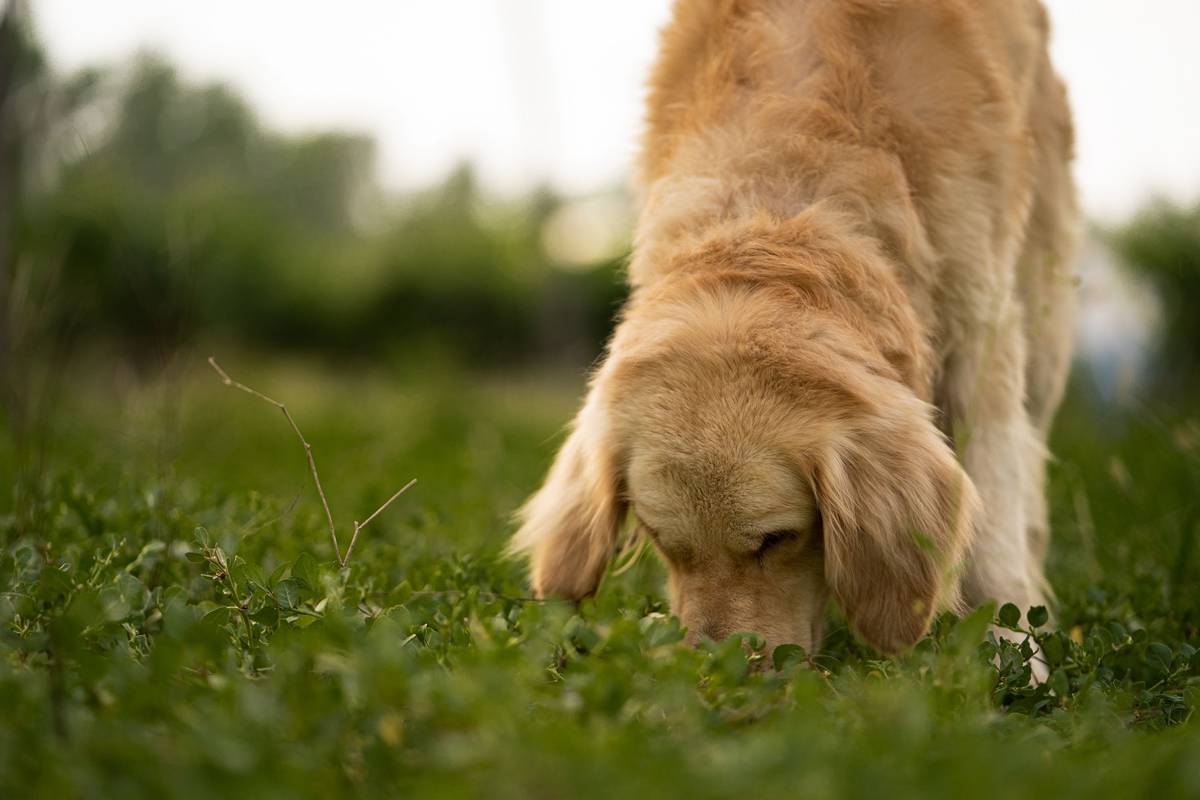
Most trainers treat scent detection as a skill to teach. Wrong. With rescues, it’s therapy disguised as play. Neurologically, focused sniffing drops heart rate and cortisol—proven in multiple studies from Purdue’s Canine Sciences program. But here’s what no certification course tells you: the moment a traumatized dog chooses to follow a scent trail, they’re making a voluntary decision. That choice—however small—is the first brick in rebuilding agency. Forget obedience. Build autonomy first. The rest follows.
Frequently Asked Questions
Can older rescue dogs learn canine olfactory training?
Absolutely. Age doesn’t dull scent drive—it often sharpens it. Senior dogs may move slower, but their focus deepens. Keep sessions short and surfaces slip-free.
Do I need special equipment for scent training?
No. Start with household items—a sock, a coffee mug, a pinecone. Commercial kits oversell simplicity. Your dog smells molecules, not marketing.
How soon will I see behavior changes?
Many guardians report calmer baseline behavior within 7–10 days. Not because the dog “learned a trick”—but because they finally feel competent again.