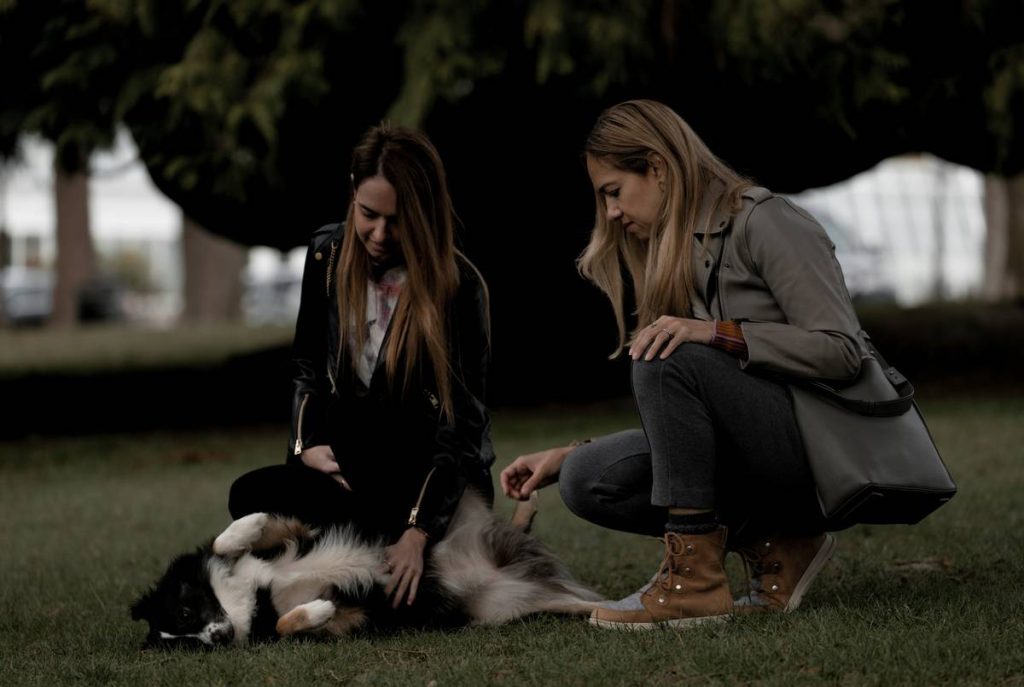
Most rescue dog training fails—not because of bad dogs, but because humans don’t know who does what. Chaos erupts when handlers, behaviorists, and fosters all shout commands at once. The solution? A crystal-clear division of rescue dog team roles that turns well-meaning volunteers into a synchronized unit.
Why Standard Training Collapses in Group Settings
Traditional obedience drills assume one dog, one handler. Real-world rescues involve triage: trauma responses, multiple caregivers, shifting environments. Apply solo methods to a pack-in-transition, and you’ll undo weeks of progress in minutes.
And it’s not just noise—it’s mixed signals. A dog hears “sit” from a foster parent while the trainer cues “watch me.” Confusion becomes fear. Fear becomes shutdown. The math is simple: unclear roles = behavioral regression.
Building Your Rescue Dog Team Roles Framework
Forget hierarchy. Think ecosystem. Every successful rehab operation runs on four interlocking functions:
Lead Handler (The Consistency Anchor)
This person owns daily routines—feeding, walks, basic cues. They’re the dog’s emotional North Star. No sudden substitutions. If they’re unavailable, training pauses. Not negotiable.
Behavior Specialist (The Diagnostician)
Not a “trainer.” A clinician. They assess triggers, design desensitization protocols, and never interact with the dog outside sessions. Their job? Interpret, not manage.
Foster Liaison (The Environmental Architect)
They prep spaces, control visitor access, and log micro-behaviors (e.g., “whines at 3 AM,” “flinches at brooms”). Raw data—not opinions—fuels real progress.
Backup Handler (The Emergency Stand-In)
Trained in crisis protocols only. Used if the Lead Handler is ill or traveling. Minimal interaction otherwise. Prevents attachment whiplash.

| Role | Key Responsibilities | Time Commitment | Critical Boundaries |
|---|---|---|---|
| Lead Handler | Daily routines, core cues, emotional stability | 60-90 mins/day + consistency | No role-sharing; sole point of contact |
| Behavior Specialist | Trauma assessment, protocol design, progress tracking | 2-4 hrs/week (session-based) | Zero casual interaction with dog |
| Foster Liaison | Environment setup, behavior logging, household coordination | 30 mins/day + communication | Never give commands or corrections |
| Backup Handler | Crisis coverage, emergency transport, protocol execution only | On-call; minimal routine presence | No bonding activities; strict task focus |
The Industry Secret Nobody Admits
Top-tier rescues rotate team members quarterly—not for efficiency, but to prevent human burnout masquerading as “dog resistance.” Here’s the reality: dogs mirror collective stress. When your team argues about techniques behind closed doors, the dog absorbs the tension as instability. The best programs schedule mandatory “role reset” meetings where egos get checked, and only observable behaviors—not theories—are discussed. Think about it: your dog isn’t failing training. It’s reacting to team dissonance you can’t see.

Frequently Asked Questions
Can one person fill multiple rescue dog team roles?
Temporarily, yes—but never long-term. Combining Lead Handler and Behavior Specialist causes blind spots. You’ll miss subtle triggers because you’re too close emotionally.
How do you onboard new volunteers without confusing the dog?
They observe silently for 2 weeks. Then shadow one role strictly. No touching, no talking to the dog. Trust is built through restraint.
What if the dog bonds only to one team member?
That’s expected. Restrict that member’s interactions outside their defined role. Bonding ≠ leadership. Structure overrides affection every time.