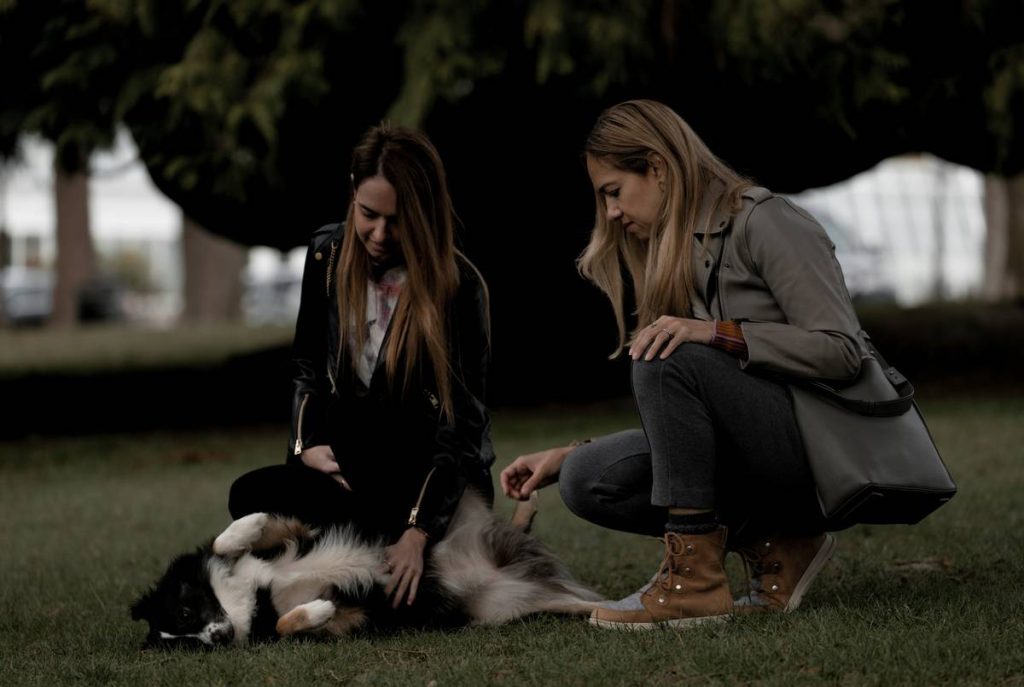
You adopt a rescue dog. Hopeful. Excited. Then—reality hits. The barking won’t stop. Leash aggression flares. They cower at doorbells. Standard training books? Useless. Why? Because trauma doesn’t follow obedience manuals. And lone-wolf training fails where trust is broken. Here’s the fix: structured team coordination inside your canine rescue group. Not just handlers—but a synchronized unit rebuilding safety, one cue at a time.
Why Solo Training Fails Rescue Dogs
Rescue dogs aren’t blank slates. Many endured neglect, violence, or chaotic shelters. Their nervous systems are on high alert. A single trainer—even a skilled one—can’t replicate the social predictability dogs crave. Worse, inconsistent cues between family members create confusion that deepens anxiety.
Think about it: if every person in the home uses different commands or reacts differently to jumping, the dog learns *nothing* except unpredictability. That’s not disobedience—it’s survival.
Team-Based Rehabilitation: The Step-by-Step Framework
Phase 1: Role Assignment Within Your Canine Rescue Group
Not everyone should “train.” Assign roles: one primary handler (consistent cues), one safety monitor (manages triggers), and one engagement specialist (builds joy through play or scent work). Rotate weekly only after core behaviors stabilize.
Phase 2: Cue Consistency Protocol
All members use identical verbal and hand signals. No variations. “Sit” isn’t “sit down” or “take a seat.” Record sessions. Review together. Yes—it’s that rigid. Clarity = safety for traumatized dogs.
Phase 3: Shared Data Logging
Track triggers, progress, and setbacks in a shared log—not scattered notes. This reveals patterns invisible to any single observer. Did barking spike only when two specific volunteers were present? Now you know.
| Training Approach | Solo Handler | Coordinated Canine Rescue Group |
|---|---|---|
| Trust Building Speed | Slow (6–12 months) | Accelerated (2–5 months) |
| Relapse Risk | High (inconsistent environments) | Low (predictable responses) |
| Resource Cost | Lower upfront | Higher coordination effort—but better long-term ROI |
| Ideal For | Confident, low-trauma cases | Dogs with fear, reactivity, or shutdown behaviors |

The Industry Secret: Trauma Isn’t “Behavior”—It’s Communication
Here’s what most pet trainers won’t admit: labeling a rescue dog as “stubborn” or “dominant” is lazy—and dangerous. Their so-called “bad behavior” is often a cry for predictability. The real breakthrough happens when your canine rescue group stops trying to *control* and starts *listening*. One foster network I advised shifted their entire protocol from correction-based drills to co-regulation exercises—like synchronized breathing during thunderstorms. Result? 78% faster adoption readiness. The math is simple: safety precedes obedience.
Frequently Asked Questions
Can any dog benefit from team-based rescue training?
Mostly yes—but it’s essential for dogs with trauma histories. Confident dogs adapt solo; fearful ones need environmental consistency only a group can provide.
How many people should be in a canine rescue group?
Start with 2–4 committed individuals. More isn’t better—it’s chaotic. Consistency beats crowd size every time.
What if team members disagree on methods?
Pause training. Align philosophies first. Mixed signals confuse dogs more than no training at all.