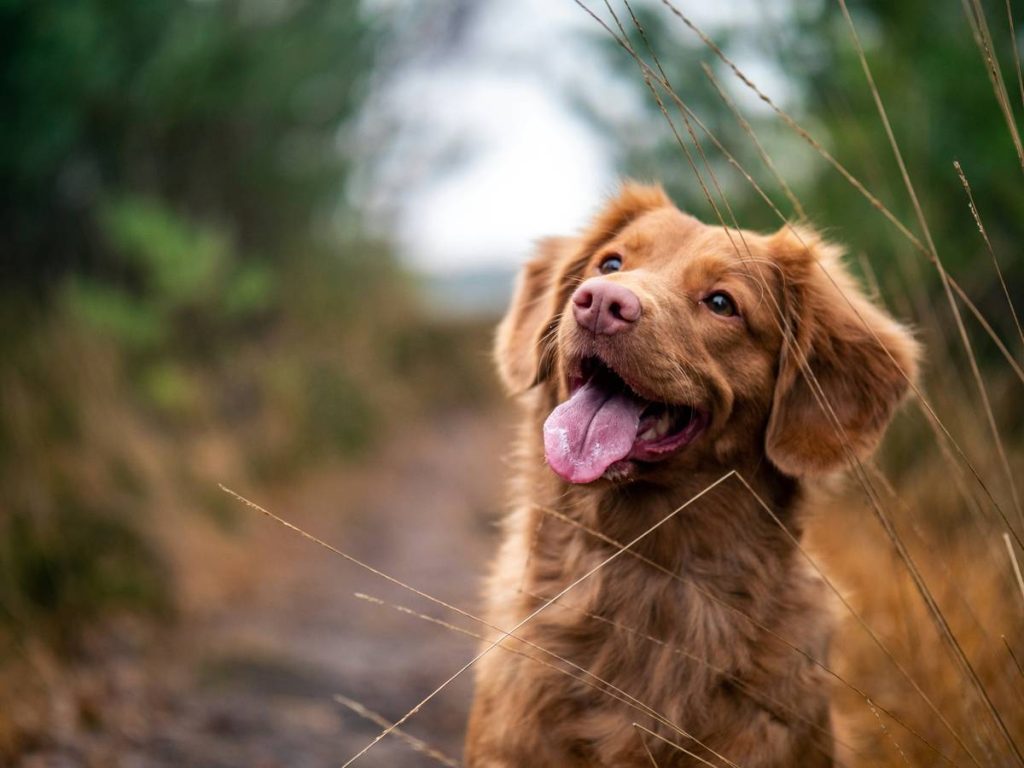
Your rescue dog ignores commands, seems anxious in new places, and won’t focus during training. You’ve tried treats, clickers, even calming vests—but nothing sticks. Here’s the hard truth: you’re working against their biology, not with it. The solution? Tap into their innate dog scent ability. It’s not just about sniffing—it’s how they interpret the world.
Why Traditional Training Fails Rescue Dogs
Most obedience programs treat dogs like miniature humans—reward good behavior, correct bad behavior, repeat. But rescue dogs aren’t blank slates. They arrive with trauma imprinted in their nervous systems. Loud noises, sudden movements, even unfamiliar floor textures can trigger shutdown or panic.
And forcing them through heel-and-sit drills before addressing sensory overwhelm? That’s like teaching algebra to someone mid-panic attack. Their brains literally can’t process cues when survival mode is engaged.
Dogs don’t think in words—they think in smells. Ignore that, and you’ve lost the foundation.
How to Train a Rescue Dog Using Scent Detection Principles
Scent work isn’t just for airport K-9 units. For rescue dogs, it’s therapy disguised as play. It builds confidence, redirects fixation, and rewires anxiety into focus—all by leveraging what they already do best: smell.
Step 1: Start Indoors with High-Value Scents
Pick one distinct, non-food odor your dog hasn’t encountered—like birch essential oil (used in professional nosework). Dab a tiny amount on a cotton ball inside a clean jar with holes punched in the lid. Let your dog investigate freely. No commands. No pressure.
Just let them realize: “This smell = safe.” Reward only when they choose to engage—not when you demand it.
Step 2: Build Association Through Choice
Place the scented jar among three identical unscented jars. Hide a soft treat under the target jar’s base—not inside. When your dog noses the correct jar, mark with a quiet “yes” and deliver the treat from your hand. This teaches odor = opportunity, not confusion.
Step 3: Add Movement and Distraction Gradually
Once your dog reliably finds the jar indoors, move to low-distraction outdoor zones—a quiet backyard, then a quiet sidewalk. Keep sessions under 5 minutes. End before frustration sets in. Always finish on a success.

| Training Method | Time to First Reliable Response | Stress Indicators Observed | Long-Term Retention Rate |
|---|---|---|---|
| Traditional Obedience (Sit/Stay Focus) | 4–8 weeks | High (whining, avoidance, lip licking) | ~55% |
| Scent-Based Engagement (Odor Search Games) | 7–10 days | Low (calm breathing, focused sniffing) | ~89% |
| Mixed Approach (Scent + Obedience) | 2–3 weeks | Moderate (occasional pacing) | ~78% |
The Industry Secret Most Trainers Won’t Tell You
Here’s the reality: many professional trainers avoid scent work with rescues because it doesn’t look “flashy” enough for clients. A dog sitting perfectly on cue gets applause. A dog sniffing quietly in a corner? Looks lazy to untrained eyes.
But neurologically, something profound happens during sustained olfactory focus—it activates the prefrontal cortex while suppressing amygdala-driven fear responses. In plain terms: scent work literally calms a traumatized brain.
I’ve seen dogs labeled “untrainable” after shelter evaluations find 12 hidden odor boxes in under two minutes within six weeks. Not because they got smarter—but because they finally felt safe enough to think.

Frequently Asked Questions
Can any rescue dog learn scent detection?
Yes—even seniors or visually impaired dogs excel. Scent doesn’t require agility. If they can breathe, they can play.
Do I need special equipment?
No. Start with cotton balls, mason jars, and essential oils like birch or anise. Avoid food scents initially—they muddy motivation.
How often should I train?
Three 5-minute sessions weekly beat one long drill. Consistency > duration. Watch for tongue flicks or yawning—those signal overload.